

Language selection
Language selection
Currency selection

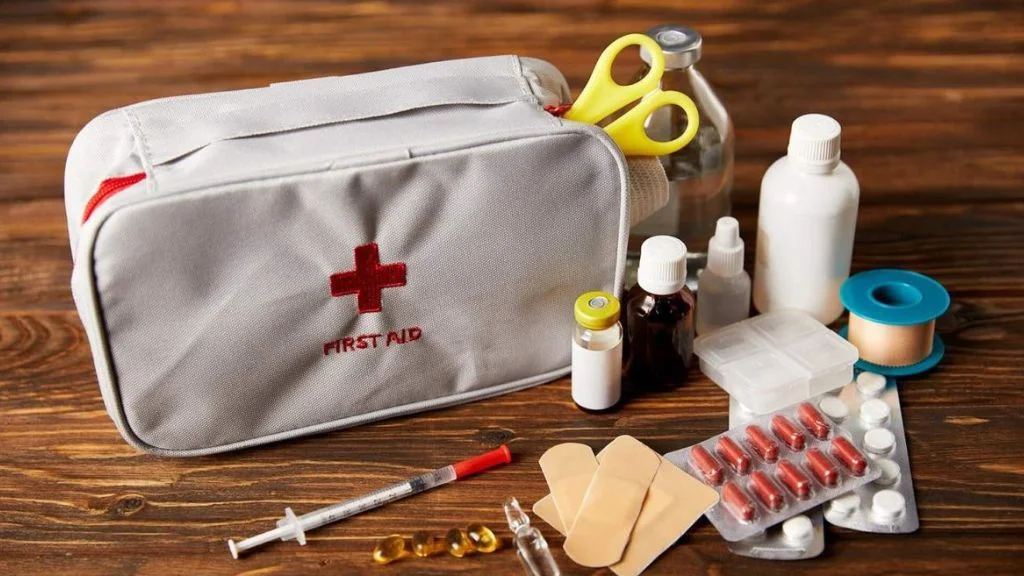
For a normal short trip, a healthy adult does not always need a separate medical consultation. However, it is advisable to consult a family doctor or a travel medicine specialist for people with chronic medical conditions, as well as those who have recently had surgery, regularly take prescription, injectable or controlled medications, have severe allergies, asthma, epilepsy, diabetes or cardiovascular disease.
Consultation is also required during pregnancy, before traveling with an infant, staying away from medical facilities for a long time, or traveling to regions with a risk of malaria, yellow fever, and other infections.
During your consultation, tell your doctor your itinerary, dates, duration of your trip, planned activities, and a list of medications you are already taking. This will help assess possible drug interactions, determine the need for vaccinations, and prepare a supply of medications.
For trips to countries with special epidemiological risks, it is advisable to seek advice in advance. Current recommendations on vaccination and risks by country are published by the World Health Organization .
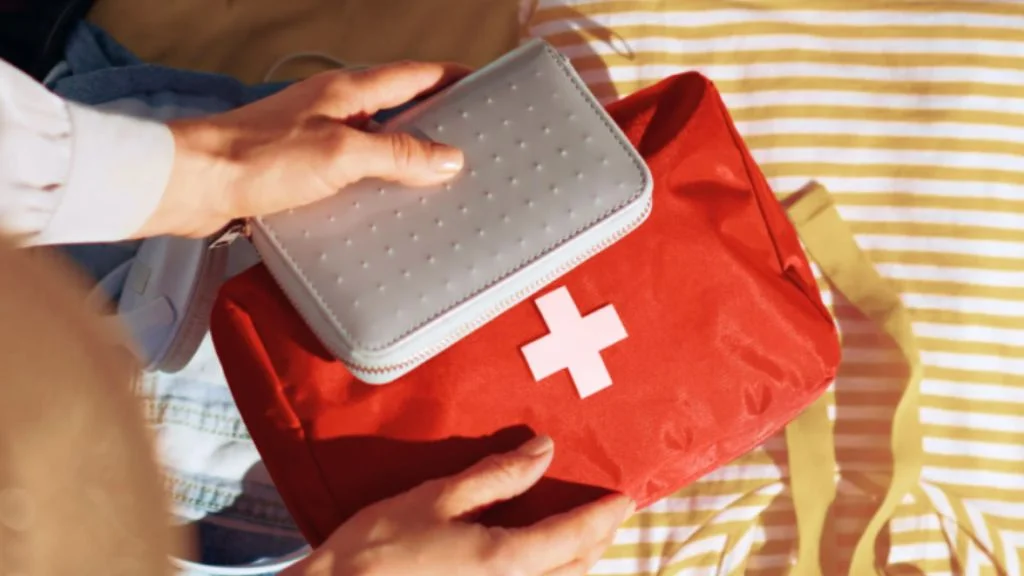
There is no universal set of medicines for all travelers. A traveler's first aid kit should be tailored to the specific trip, so before packing, you need to consider:
There's no need to pack just in case you don't know when or how to use them. The U.S. Centers for Disease Control and Prevention recommends building a kit based on your personal needs and the risks of your specific trip.
The basis of a first aid kit is not pills, but simple means with which you can treat a minor injury or provide assistance before seeking medical attention. The basic kit can include:
A small, superficial wound should first be washed with clean running water, carefully removing any visible dirt, and covered with a clean bandage. Do not fill a deep wound with alcohol, concentrated antiseptic, or hydrogen peroxide. If the wound is deep, dirty, caused by a bite, has a foreign object in it, or is bleeding that does not stop after direct pressure, seek medical attention.
Personal medications are the most important part of a first aid kit. A break in treatment can worsen the condition, and it can be difficult to find medication with the same trade name, form of release, or dosage abroad.
When packing regular medications for travel, follow these rules:
The CDC also recommends taking extra supplies for possible delays and carrying essential medications in your carry-on luggage. For detailed recommendations, see the Traveling Abroad with Medicine page .
A change in diet, unfamiliar water, and a change in routine can cause nausea, diarrhea, or constipation. However, a travel first aid kit should not contain a random assortment of antibiotics, antimicrobials, or preventatives.
After consulting with a doctor or pharmacist, you can add the following to the kit:
The main goal of diarrhea is to restore fluids and electrolytes. Rehydration solutions should be prepared exactly as directed, using safe water. Antidiarrheal medications are not a substitute for rehydration and are not always appropriate for children, pregnant women, or people with certain medical conditions.
You should not take antibiotics or antimicrobials to prevent intestinal infections on your own. You should consult a doctor if you have blood in your stool, severe abdominal pain, high fever, repeated vomiting, confusion, or signs of dehydration - severe thirst, dry mouth, infrequent urination, severe weakness, or dizziness.
You may experience headaches, toothaches, muscle aches, or a fever while traveling. For such cases, you can take one of the painkillers and antipyretics you are familiar with, after checking the contraindications.
Paracetamol or ibuprofen-based drugs are most often used, but they are not suitable for everyone. When choosing, you need to take into account the passenger's age, pregnancy, liver or kidney disease, peptic ulcer disease, previous gastrointestinal bleeding, taking anticoagulants, allergies and previous adverse reactions.
Be especially careful when checking the composition of combined powders and tablets for colds. Several products may contain paracetamol at the same time, so their combined use poses a risk of exceeding the maximum dose. Do not combine drugs with the same active ingredient and do not exceed the dosage indicated in the instructions or prescribed by a doctor.
Air conditioning or cool air alone does not cause viral infection. Respiratory viruses are mainly transmitted from infected people, and the risk of spread can increase in crowded and poorly ventilated spaces.
For symptomatic relief, the following remedies may be considered:
Nasal decongestants have contraindications and a limited duration of use, so use them only as directed. Antibiotics do not treat the common viral cold. Antiviral drugs should also not be taken without specific indications and recommendations from a doctor.
New foods, pollen, insect bites, or household chemicals can trigger an allergic reaction. If you have had an allergy before, take a remedy that your doctor has previously recommended and that you tolerate well.
People with a confirmed risk of anaphylaxis should have:
Antihistamines are not a substitute for adrenaline in anaphylaxis. Swelling of the lips or tongue, difficulty breathing, wheezing, sudden weakness or fainting after exposure to an allergen require immediate use of the prescribed autoinjector and emergency medical attention.
During a bus trip, nausea can occur due to a mismatch in the signals the brain receives from the eyes and the vestibular system. Sitting closer to the front of the bus, looking in the direction of travel, fresh air, light meals, and avoiding reading while driving can help.
If non-drug measures are not enough, a doctor or pharmacist can prescribe a motion sickness remedy. Before taking it, you should consider:
Do not use an adult medication on a child without checking age restrictions and dosage. For additional non-drug recommendations, see the article on how to avoid nausea on the bus .

A child's first aid kit is formed according to age, body weight, health status, and pediatrician recommendations. Children's dosages cannot be determined by simply dividing an adult pill.
An individual children's kit may include:
Aspirin should not be given to children and adolescents with viral infections due to the risk of Reye's syndrome. Antibiotics, antidiarrheals, cough medicines, local anesthetics for teething, or adult combination cold remedies should also not be given without specific advice from a pediatrician.
Keep a record of the dosage of each medication that your child's doctor prescribed on the package or in your notes. For helpful tips on routine, food, and entertainment, see How to Prepare Children for a Long Bus Trip .
Travel to Asia, Africa, South America, and other regions may require additional preparation. Risks vary even within a single country and depend on the season, altitude, length of stay, and planned activities.
Before such a trip, you need to check:
You should not take antibiotics, antiparasitics, or antimicrobials for prevention on your own. They do not provide universal protection, can cause adverse reactions, and complicate diagnosis.
Depending on the route, the doctor may recommend a repellent with proven effectiveness, a mosquito net, sunscreen, water purification tablets or filter, rehydration salts, vaccination, or prescription malaria prophylaxis.
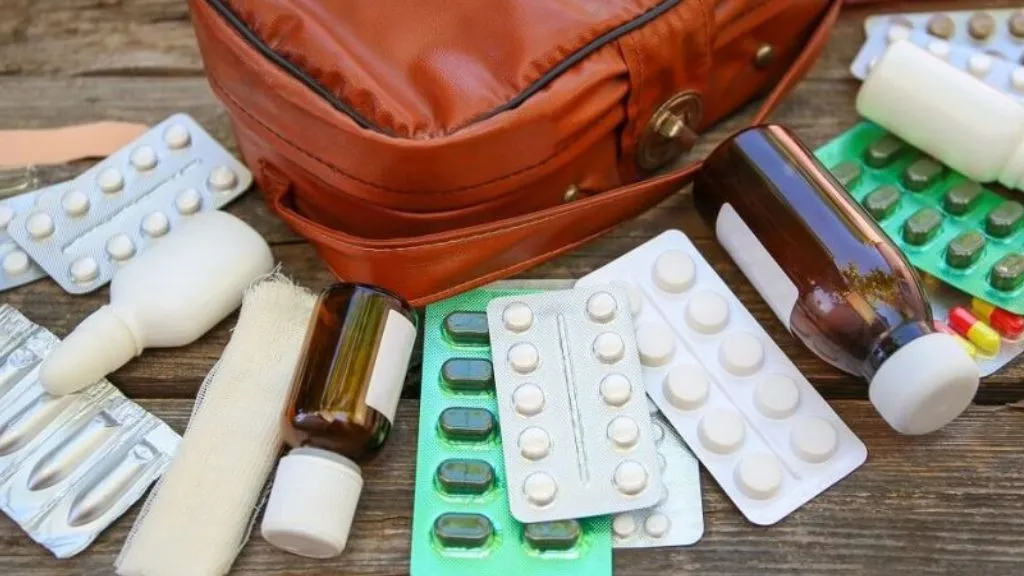
The answer to the question of what medications to take with you abroad depends not only on your health status. Each country has its own rules for importing medications, and a drug that is sold without a prescription in Ukraine may be prescription, unregistered, or controlled in another country.
Before you travel, you need to check the rules:
Pay particular attention to drugs containing narcotic or psychotropic substances, strong painkillers, stimulants, sedatives and hypnotics. The International Narcotics Control Board publishes available country rules for travelers with controlled drugs , but final requirements should be confirmed with the competent authorities of the relevant country.
There is no single set of documents required for each country and each medication. Depending on the country and type of medication, you may need:
A copy of your medical card, a pharmacy receipt, and a medical institution stamp are not universal requirements. They may be useful or mandatory only in certain cases. Check the rules with official sources, not general lists from travel forums.
A first aid kit for traveling abroad should contain a quantity of medication that is reasonable for the duration of the trip and possible delays. However, the specific quantity allowed depends on the country and the type of medication.
To reduce the risk of questions at the border:
Additionally, check the general documents for traveling by bus abroad , as medical certificates and prescriptions do not replace a passport, insurance policy, and other entry documents.
The temperature in the luggage compartment of the bus can differ significantly from the temperature in the cabin. Therefore, medications that are sensitive to heat, cold, or moisture should not be checked in as main luggage.
For proper storage, follow these recommendations:
A regular cooler bag does not guarantee an accurate temperature. If your medication requires refrigeration, check with your doctor, pharmacist, or manufacturer for the correct way to transport it for a specific period of time.
A travel first aid kit is intended for minor injuries, relief of individual symptoms, and fulfillment of individual prescriptions. It is not a substitute for diagnostics and emergency medical care.
Seek immediate assistance if a passenger experiences:
Notify the driver or attendant and call the local emergency services. In the European Union, the number 112 works free of charge from mobile and landline phones. For other countries, you should check the emergency number before leaving.
Even a large first aid kit for a trip abroad can be useless if the medications are chosen haphazardly or stored incorrectly. The most common mistakes are as follows:
Before each trip, review the contents of your first aid kit, check the integrity of the packages and expiration dates. If you are unsure about the name, purpose, or dosage of a medication, consult a pharmacist.
To make your travel first aid kit compact and useful, assemble it sequentially. A practical algorithm looks like this:
For the rest of your luggage, you can use the material on the most important things for travel . Such a checklist will help you separately distribute documents, clothes, water, food, toiletries and electronics.
Before closing the first aid kit, check each item:
After checking, put a short note with the contents of the first aid kit and important contacts in the top pocket of your bag. This will help you quickly find what you need in a stressful situation.
A well-assembled first aid kit for traveling abroad is not a large bag with medicines for all occasions, but an individually selected set of first aid, regular medications and safe symptomatic remedies. Its composition should be determined taking into account the route, age of passengers, chronic diseases and the rules of the destination and transit countries.
Keep medications in their original packaging, maintain temperature, prepare prescriptions, and keep essentials in your carry-on luggage. Do not take antibiotics, antivirals, antiparasitics, or other prescription medications without medical advice. If you experience dangerous symptoms, do not rely solely on your first aid kit – seek emergency medical attention.
Preparing in advance will help you feel more relaxed on the road and act quickly in the event of minor injuries or deterioration of well-being.


| Ticket booking | +38 (098) 343-82-82 |
| Support | +38 (050) 082-82-82 |
