

Language selection
Language selection
Currency selection

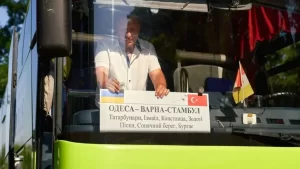
How to Cross the Border by Bus

Crossing the border by bus involves several steps, and each one can take varying amounts of time depending on the season, lines, how busy the border crossing is, and the route. Usually, the bus arrives at the border crossing, after which passengers go through border control and, if necessary, a customs inspection of their belongings. In some cases, passengers get off the bus with their documents; in others, documents are checked right inside the bus or next to the vehicle. That’s why you shouldn’t assume a single scenario and expect everything to be the same at every border crossing.
At the border, Ukrainian authorities first verify the right to exit the country. For most passengers, this means verifying their travel document, while for certain categories, additional supporting documents may also be required. Afterward, on the side of the country of entry, officials may verify the purpose of the trip, the duration of stay, the address of residence, proof of funds, a return ticket, insurance, and documents for a child or a pet. For short trips under the visa-free regime, this does not mean you will necessarily be asked to provide a full set of documents, but the border guard has the right to ask clarifying questions.
It’s also important to understand the difference between border control and customs inspection. A border guard checks your documents and your right to enter or exit the country. A customs officer assesses what exactly you’re bringing across the border: alcohol, tobacco, cash, food, medicine, electronics, gifts, or other goods. It is during the customs inspection that you may be asked to open your luggage, show receipts, or explain exactly what you are carrying. If your items appear to be a commercial shipment or fall under certain restrictions, this can delay your border crossing even if your passport is in order.
The time it takes to cross the border by bus can vary significantly. When traffic is light, the formalities may take relatively little time, but during peak periods, holidays, seasonal vacations, or mass travel, the wait can be much longer. That’s why, when traveling internationally by bus, it’s important to allow extra time, have a charged phone, water, and your documents handy, and understand that a delay at the border doesn’t always mean a problem with your trip.
Basic List of Documents for International Bus Travel
There is no one-size-fits-all set of documents that works 100% for every country. However, there is a basic set of documents without which you should not plan an international bus trip. Some of these are almost always checked, while others may be required on a case-by-case basis depending on the route.
The basic set should include:
a valid travel document;
a visa or other entry permit, if required by the destination country;
a bus ticket and route details;
proof of the purpose of the trip—such as a lodging reservation, invitation, voucher, or other documents;
proof of financial means, if the country or border control may require it;
a medical insurance policy—if it’s mandatory for your route or needed as proof;
additional documents for children, men aged 18–60, or pets, if you’re not traveling alone.
To make sure you don’t miss anything important, it’s a good idea to compare your set of documents with the general checklist in the article “How to Prepare for a Bus Trip to Another Country” before your trip. This doesn’t replace checking the official requirements, but it helps you systematically get ready for the trip.
Documents for Adults: What You Must Have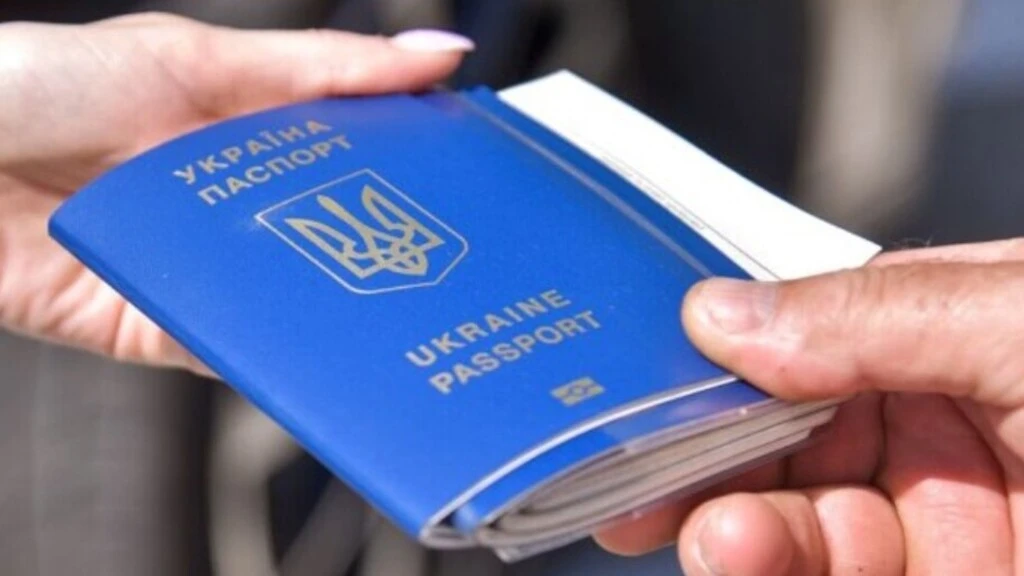
For adult passengers, the main document required on most international bus routes is a valid international passport. For short trips to EU and Schengen Area countries, the official European rule for third-country nationals is as follows: the passport must have been issued no more than 10 years ago and remain valid for at least 3 months after the planned date of departure from the EU. Requirements may vary for other countries, so it’s best not to rely solely on a single universal timeframe.
The second document that must be checked separately for each destination is a visa or other entry permit. Ukrainians can travel visa-free to some countries, but this does not apply to all countries and does not mean that a visa will never be required. If you’re traveling not as a tourist but for study, work, volunteering, or a longer stay, the rules may differ. That’s why it’s important to check not only whether visa-free travel applies but also the permitted length of stay and the list of required supporting documents before your trip.
Border officials often also pay attention to proof of the purpose of the trip. This could include a hotel reservation, an address of residence, a letter of invitation, a travel voucher, a return ticket, or other documents that logically explain the itinerary. If a person says they’re visiting relatives but can’t provide an address or show contact information, it raises unnecessary questions. The same applies to trips lasting several days without a clear plan for accommodations.
Another key factor is financial capacity. At the EU level, there is no single fixed “per-day” amount for all countries. Each country sets its own guidelines, and border officials may assess the situation based on the duration of the trip, accommodations, the availability of tickets, and the itinerary. That is why, instead of the “50 euros per day” rule of thumb, it’s more accurate to assume that you must have concrete proof of your ability to pay for lodging, meals, and your return trip. This can be cash, a bank card, a bank statement, or other proof.
Insurance deserves a separate mention. To obtain a Schengen visa, health insurance with a minimum coverage of 30,000 euros is an official requirement. For visa-free travel, such a policy is not always formally required for entry itself, but it is often needed as practical protection and can be a useful document during inspections. This is especially relevant for transit routes, trips with layovers, longer bus trips, and travel with children.
In practice, adult passengers should not only have the originals but also keep their documents organized. It’s best to keep the following separate: passport, ticket, insurance, reservation, contact information for your place of stay, and a few printouts or screenshots. This may seem like a minor detail, but it’s often what saves time during security checks.
Documents for Traveling with Children: What to Check Before Your Trip
Traveling with a child is a unique situation that requires more attention to documentation than a trip taken by an adult passenger. The first thing to keep in mind: it’s best for a child to have their own international passport for international travel. The State Migration Service of Ukraine explicitly states that international passports are issued to children from birth. This is the most reliable option for bus travel, regardless of the child’s age.
In addition to a passport, it’s helpful for a child to have a birth certificate or a copy of it, especially if the child is very young, if the child and parents have different last names, or if the child is traveling without both parents. If the mother, father, and child have different last names, it’s best to prepare documents explaining the family relationship in advance: a marriage certificate, divorce decree, name change certificate, or other supporting documents.
It is very important to distinguish between two things: the rules for leaving Ukraine and the rules for entering the destination country. Special simplifications apply to children leaving Ukraine during martial law. The State Border Guard Service reports that a child under 16 may travel with one parent without the notarized consent of the other. In certain cases, travel is also permitted with a grandmother, grandfather, adult brother, sister, stepmother, stepfather, or other authorized persons—but here it is important to determine exactly what proof of family relationship or authority is required in each specific case.
At the same time, the destination country may have its own rules regarding the entry of children. Even if Ukraine allows travel without the other parent’s notarized consent, a foreign border official may ask additional questions or request an explanation if the child is not traveling with both parents. Therefore, in situations where the itinerary is complex, the child is traveling with relatives, or one parent is not traveling, it is best to also check the specific rules of the destination country in advance.
What to prepare for a trip with a child in practice:
the child’s own international passport;
birth certificate;
documents proving family ties, if the last names are different;
if necessary, documents regarding guardianship, custody, or legal representation;
contact information for your place of stay, reservations, or invitations;
an insurance policy, if required or being arranged for the trip.
If a child is traveling for a longer period rather than just a few days, you should also consider school documents, medical certificates, a basic first-aid kit, and anything else that might be needed immediately upon arrival. For practical travel preparation, you may also find it helpful to review what to pack in a travel first-aid kit.
Documents for Men Aged 18–60: What You Need to Know Before Traveling
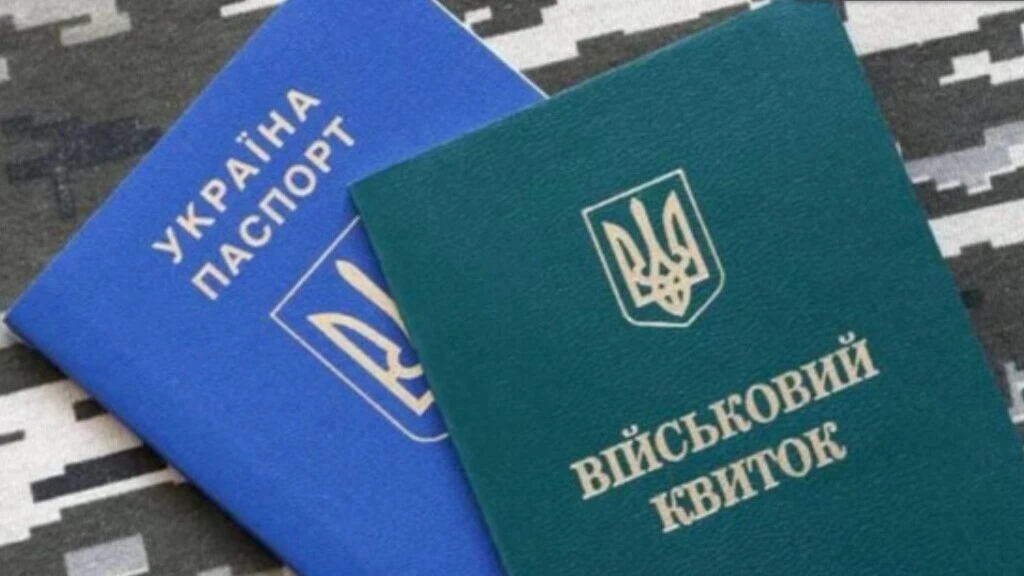
For male citizens of Ukraine aged 18 to 60, the issue of traveling abroad during martial law remains a distinct and legally sensitive matter. The most important thing to understand is that simply having a passport does not automatically grant the right to travel abroad. The State Border Guard Service explicitly states that a military registration document is a mandatory requirement for all men in this age group when crossing the border. However, the document itself does not guarantee entry—border guards also verify the grounds on which a person is entitled to travel abroad.
That is precisely why it is important to avoid oversimplifications such as “all you need is a deferment document, and that’s it.” The actual verification process depends on the individual’s category and on which documents confirm their right to travel abroad in accordance with current regulations. For some, this may be a travel reservation; for others, it may be a disability, having multiple children, accompanying a child, permanent residence abroad, studying, or another legal basis. The list of categories and supporting documents should always be verified against official announcements from the State Border Guard Service and the Cabinet of Ministers, as the rules may be updated.
What men aged 18–60 should have before traveling:
A valid passport or other document for international travel, if it applies to your specific situation.
A military registration document in good condition.
Documents confirming your specific reason for travel.
If necessary, additional documents regarding children, relatives, place of residence, education, medical treatment, or other circumstances, if they pertain to your reason for travel.
It is especially important not to rely solely on photos of documents on your phone or informal explanations. If the reason for travel is complex, the documents must be complete, up-to-date, and clear for verification. Before your trip, it’s best to review the official guidelines from the State Border Guard Service of Ukraine and ensure that your specific case actually falls under the rules in effect at the time of departure.
Traveling with Pets: What Documents Are Required

Traveling by bus with a pet requires not only approval from the carrier but also separate preparation of documents for crossing the border. This applies most of all to trips to the EU with a dog, cat, or ferret, where the rules are quite clear. This is where mistakes most often occur: people rely on outdated advice from the internet or assume that a veterinary passport alone will suffice.
To enter the EU from a non-EU country, the basic requirements typically include:
the animal’s identification via microchip;
a valid rabies vaccination;
a waiting period of at least 21 days after the initial rabies vaccination;
an EU animal health certificate issued by an official veterinarian no more than 10 days prior to arrival in the EU;
in some cases, a rabies antibody titer test, if required by the route or the status of the country of origin.
An important detail: European regulations for animals aren’t limited to a single rule stating “vaccination 30 days before departure.” The official requirement for the initial vaccination is at least 21 days before the date of entry. It’s also important that the vaccination be administered after microchipping or that this information matches correctly in the documents.
In addition to government requirements, there are also the carrier’s rules. Not every bus allows pets to travel under the same conditions. Factors such as the size of the carrier, the animal’s seating arrangement in the cabin, additional fees, weight restrictions, and the requirement for a muzzle or bedding may be important. That is why, before purchasing a ticket, you should first check whether animals are allowed on the bus and only then clarify the details of the trip.
To avoid problems at the border, don’t rely on an incomplete set of documents. If you’re traveling to the EU with a pet, check not only Ukraine’s domestic regulations but also the current requirements of the specific country you’re entering first.
Additional documents that may be requested at the border
In addition to the basic documents, a border official may ask for additional proof. This doesn’t mean there’s anything wrong with your trip. It’s a normal part of the screening process, especially if the route is long, the destination country isn’t obvious, or the purpose of the trip doesn’t seem typical.
Most often, they may ask for the following:
accommodation reservations or your address of stay;
a return ticket;
an invitation from relatives, friends, or an organization;
an insurance policy;
proof of sufficient funds;
documents explaining the duration or purpose of your trip;
documents for a child or a pet, if you’re not traveling alone.
If your trip is non-standard—for example, a trip for medical treatment, study, work, an extended stay, or onward transit to a third country—it’s best to compile a set of supporting documents tailored to your specific situation. In such cases, it’s always better to have more supporting documents than to hope to explain everything verbally at the border.
Customs Restrictions and Rules for Carrying Belongings
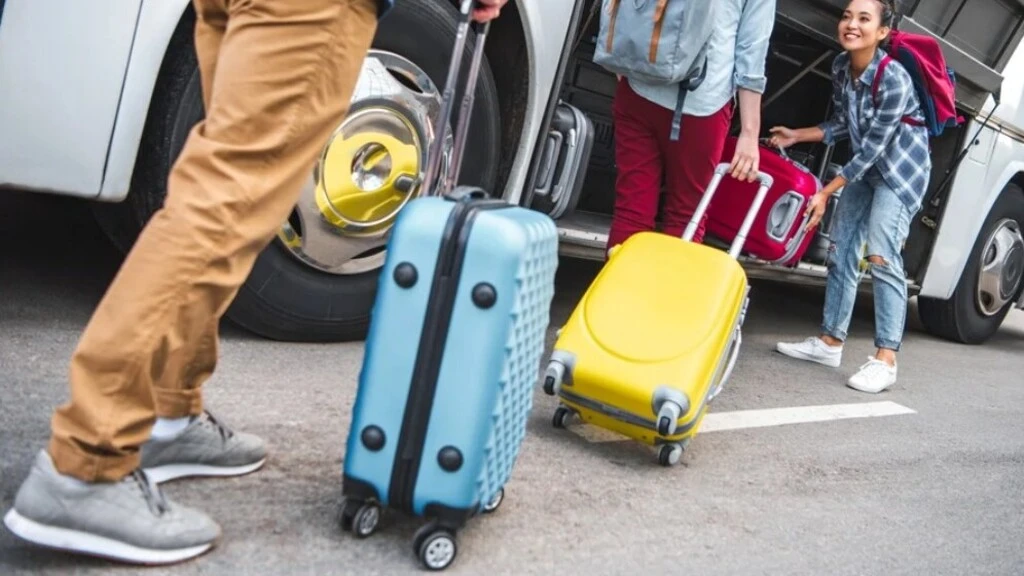
Problems at the border often arise not because of your passport, but because of your luggage. That’s why, before an international bus trip, it’s important to know not only the list of required documents but also the basic customs rules: what you can carry without declaring, what is subject to restrictions, and what you’re better off not bringing at all.
At the EU level, there are specific rules for alcohol, tobacco, and cash, but they vary depending on whether you’re traveling within the EU or entering the EU from a non-EU country. When entering the EU by land from Ukraine, you shouldn’t rely on aviation regulations or advice from other routes. If you’re bringing alcohol, tobacco, cash, medication, electronics, or gifts, it’s best to check the rules before your trip.
Regarding cash, the key EU-wide rule is this: if you’re bringing in or taking out 10,000 euros or more in equivalent value, you must declare the amount. However, there is no single EU-wide system for travel between EU countries, so in some cases, national rules also apply.
Food is a separate issue. When entering the EU from non-EU countries, there are restrictions on bringing in meat, milk, and products made from them. This rule is often violated due to the habit of packing “homemade food for the road,” but it is precisely these items that are most often confiscated. If you’re bringing food on the bus, it’s best to stick to safe options rather than animal-based products, which may raise questions. For practical preparation, you may also find this guide on what food to bring for the trip helpful.
As for the carrier’s baggage policies, these are governed by transportation regulations rather than customs rules. These rules specify how many suitcases you can bring, what carry-on luggage is allowed in the passenger compartment, how to check additional luggage, and which items may be prohibited from being transported by bus. Therefore, before your trip, you should separately check the rules for carrying luggage on international buses and the list of items you cannot bring on the bus.
Documents for Specific Countries: What to Check Before Your Trip
Even if you have gathered the basic set of documents, be sure to verify the requirements of the specific country you’re traveling to before your trip. Below is a brief overview of guidelines for the most popular destinations frequently reached by bus from Ukraine.
Poland
When traveling to Poland, it’s a good idea to check the current border crossing rules, the list of required documents for children and men, and customs regulations regarding goods and food products. For a basic guide, you can refer to the page on bus tickets to Poland and the practical guide on what you can bring into Poland from Ukraine.
Czech Republic
When traveling to the Czech Republic, it’s important to check not only your passport and visa requirements but also proof of the purpose of your trip, sufficient funds, and insurance. A separate, up-to-date guide is available here: Entry Rules for Ukrainians in the Czech Republic.
Slovakia
When traveling to Slovakia, you should check the basic set of documents, visa-free entry eligibility, and practical requirements for traveling with a child or a pet. See this separate guide: Entry rules for Ukrainians traveling to Slovakia.
Romania
Romania remains one of the most common overland routes, so it’s especially important to check documents for children, rules for men, and possible customs restrictions. A helpful guide: Entry rules for Ukrainians traveling to Romania.
Bulgaria
If your route takes you to Bulgaria, you should separately check the rules for visa-free stays, documents for children and pets, and proof of the purpose of your trip. The guide on entry rules for Ukrainians traveling to Bulgaria is a good resource for this.
Even if you’ve visited one of these countries before, don’t assume the rules haven’t changed. The blog’s internal guides are a good starting point for research, but it’s always best to double-check the information with official sources from the destination country before your trip.
Practical Tips from LikeBus for a Comfortable and Safe Trip
Practical Tips from LikeBus
Even properly prepared documents don’t guarantee a smooth trip if they’re tucked away in your suitcase, your phone is dead, and you’re scrambling to find the booking confirmation at the last minute. That’s why, before an international bus trip, it’s important to think not only about the formalities but also about the practical logistics of the journey itself.
Keep your documents in one place. It’s best to keep your passport, ticket, insurance, booking confirmation, and documents for children or pets in a separate folder or organizer rather than scattered across different bags.
Keep digital copies. Save scans or photos of key documents on your phone and back them up in cloud storage. But remember: copies are no substitute for originals when the original is required.
Arrive at the boarding gate early. For an international flight, it’s best not to arrive at the last minute. This gives you plenty of time to check your ticket, luggage, and documents.
Don’t pack important items in your checked luggage. Documents, medications, a charger, your wallet, phone, and basic essentials should be in your carry-on.
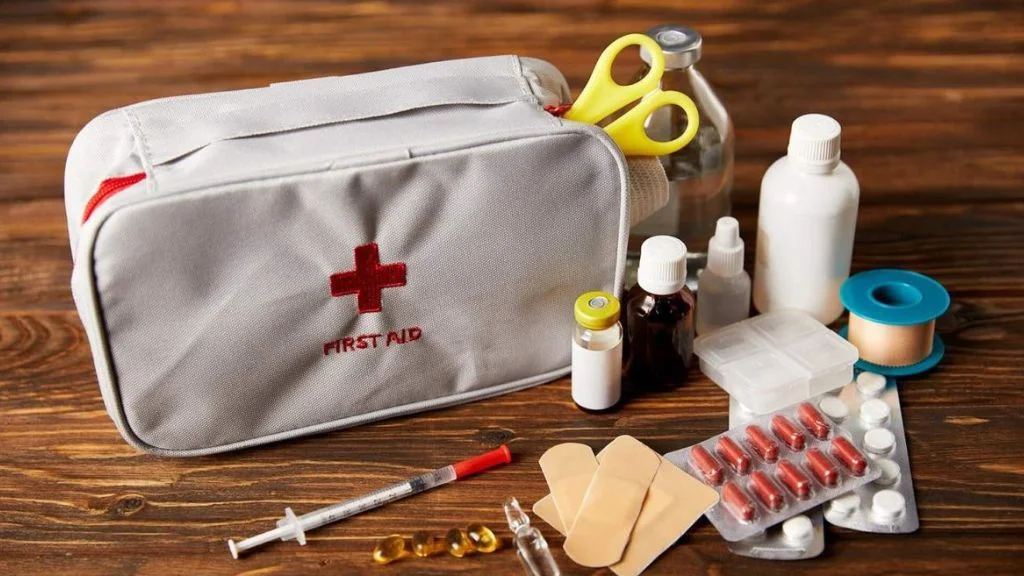
Plan your first-aid kit carefully. This is especially important if you’re traveling with a child, take regular medication, or are on a long trip. A guide on what to pack in a travel first-aid kit will come in handy.
Avoid bringing controversial food items. Homemade food containing meat or dairy ingredients may cause problems when entering the EU. It’s better to choose simple options that don’t violate customs regulations.
Be prepared for a long wait. Water, a fully charged phone, a snack, a blanket, or a sweater in your carry-on luggage will make the trip much easier if the bus is delayed at the border.
Check the specific rules for your destination separately. Even within Europe, requirements for documents, children, pets, or proof of funds may vary.
If you want to pack systematically, it’s also helpful to review tips for preparing for an international bus trip before you go. This helps ensure you don’t forget the basic details that, in practice, affect your comfort just as much as the route itself.
FAQ
Is a foreign passport alone sufficient for traveling abroad by bus?
Not always. A passport is the basic document, but depending on the country and the purpose of your trip, you may need a visa, insurance, proof of accommodation, a return ticket, financial documents, or additional proof.
How long does my passport need to be valid for a trip to the EU?
For short trips to EU and Schengen Area countries, your passport must generally have been issued no more than 10 years ago and remain valid for at least 3 months after your planned departure date from the EU.
Is a notarized consent from the other parent required for a child to travel?
To leave Ukraine during martial law, a child under 16 may travel with one parent without the notarized consent of the other. However, the rules of the destination country may differ, so these should also be checked.
What does a man aged 18–60 need to travel abroad?
He needs a valid travel document, a military registration document, and documents confirming his right to travel under current regulations. The mere fact of having a military registration document does not automatically grant permission to travel.
Polsko
Před cestou do Polska je vhodné si zvlášť ověřit aktuální pravidla pro překročení hranic, seznam dokladů pro děti a muže, jakož i celní předpisy týkající se zboží a potravin. Jako základní orientaci můžete využít stránku s jízdenkami na autobus do Polska a praktické informace o tom, co lze z Ukrajiny do Polska převážet.
Česká republika
V případě České republiky je důležité zkontrolovat nejen pas a bezvízový režim, ale také potvrzení účelu cesty, finančních prostředků a pojištění. Samostatný aktuální průvodce najdete zde: pravidla pro vstup do České republiky pro Ukrajince.
Slovensko
Pro cestu na Slovensko je vhodné zkontrolovat základní sadu dokladů, možnost bezvízového vstupu a také praktické požadavky pro cestování s dítětem nebo zvířetem. Samostatný článek: pravidla pro vstup na Slovensko pro Ukrajince.
Rumunsko
Rumunsko zůstává jednou z nejčastějších pozemních tras, proto je zde obzvláště důležité zkontrolovat doklady pro děti, pravidla pro muže a případná celní omezení. Užitečný přehled: pravidla pro vstup do Rumunska pro Ukrajince.
Bulharsko
Pokud směřujete do Bulharska, vyplatí se zvlášť zkontrolovat pravidla bezvízového pobytu, doklady dětí, zvířat a potvrzení účelu cesty. K tomu poslouží průvodce pravidly pro vstup do Bulharska pro Ukrajince.
I když jste již do některé z těchto zemí dříve cestovali, neměli byste předpokládat, že pravidla zůstala stejná. K informační přípravě se hodí interní průvodce na blogu, ale konečné ověření před cestou je vždy lepší provést podle oficiálních zdrojů země vstupu.
Praktické rady od LikeBus pro pohodlnou a bezpečnou cestu
Ani správně připravené dokumenty nezaručují klidnou cestu, pokud leží v kufru, telefon je vybitý a potřebný soubor s rezervací hledáte na poslední chvíli. Právě proto je před mezinárodní autobusovou cestou dobré myslet nejen na formality, ale i na praktickou organizaci samotné cesty.
Shromážděte dokumenty na jednom místě. Pas, jízdenku, pojištění, rezervaci, doklady pro dítě nebo zvíře je lepší uchovávat v samostatné složce nebo v organizéru, a ne je rozkládat po taškách.
Mějte digitální kopie. Uložte si do telefonu skeny nebo fotografie klíčových dokumentů a zálohujte je do cloudového úložiště. Pamatujte však: kopie nenahrazují originály tam, kde je vyžadován právě originál.
Přijďte k nástupu s předstihem. U mezinárodních spojů je lepší být na místě s předstihem, ne na poslední chvíli. Získáte tak časovou rezervu na kontrolu jízdenky, zavazadel a dokumentů.
Důležité věci nedávejte do zavazadlového prostoru. Doklady, léky, nabíječku, peněženku, telefon a základní věci první potřeby by měly být v příručním zavazadle.
Promyšleně si připravte lékárničku. Zejména pokud cestujete s dítětem, užíváte pravidelně léky nebo vás čeká dlouhá cesta. K tomu se vám hodí článek o tom, co si zabalit do cestovní lékárničky.
Neberte si sporné potraviny. Domácí jídlo s masem nebo mléčnými přísadami může při vstupu do EU způsobit problémy. Raději volte jednoduché varianty, které neporušují celní předpisy.
Připravte se na dlouhé čekání. Voda, nabitý telefon, svačina, deka nebo svetr v příručním zavazadle vám výrazně usnadní cestu, pokud se autobus zdrží na hranicích.
Zkontrolujte si zvlášť pravidla pro vaši konkrétní trasu. I v rámci Evropy se mohou lišit požadavky na doklady, děti, zvířata nebo potvrzení o finančních prostředcích.
Pokud si chcete věci sbalit systematicky, je před cestou také užitečné prostudovat si tipy na přípravu na mezinárodní cestu autobusem. Pomůže vám to nezapomenout na základní drobnosti, které v praxi ovlivňují pohodlí neméně než samotná trasa.
Často kladené otázky
Stačí k cestě autobusem do zahraničí pouze cestovní pas?
Ne vždy. Cestovní pas je základní doklad, ale v závislosti na zemi a účelu cesty může být zapotřebí vízum, pojištění, potvrzení o ubytování, zpáteční jízdenka, finanční doklady nebo další potvrzení.
Jaká je požadovaná doba platnosti pasu pro cestu do EU?
Pro krátkodobé cesty do zemí EU a schengenského prostoru musí být pas obvykle vydán před ne více než 10 lety a musí být platný ještě minimálně 3 měsíce po plánovaném datu odjezdu z EU.
Je pro vycestování dítěte nutný notářsky ověřený souhlas druhého rodiče?
Pro vycestování z Ukrajiny během výjimečného stavu může dítě do 16 let vycestovat s jedním z rodičů bez notářsky ověřeného souhlasu druhého rodiče. Pravidla země vstupu se však mohou lišit, proto je třeba si je také ověřit.
Co potřebuje muž ve věku 18–60 let k odjezdu do zahraničí?
Je zapotřebí platný cestovní doklad, doklad o vojenské registraci a dokumenty potvrzující právo na odjezd podle platných pravidel. Samotná skutečnost, že má doklad o vojenské registraci, neznamená automatické povolení k odjezdu.
Is health insurance required?
For a Schengen visa—yes, and it must cover at least 30,000 euros. For short visa-free trips, insurance is not always formally required for entry itself, but it is often recommended and may be needed as supporting documentation.
What documents are required to travel to the EU with a dog or cat?
Typically, you’ll need a microchip, a valid rabies vaccination, compliance with the required waiting period after the initial vaccination, and an EU animal health certificate. In some cases, additional veterinary requirements may apply.
How much cash can you carry without declaring it?
If you are bringing into or taking out of the EU less than the equivalent of 10,000 euros, the general rule requiring declaration does not apply. If the amount is equal to or exceeds 10,000 euros, it must be declared.
Can you bring homemade food on a bus when traveling abroad?
You can bring food for the trip, but when entering the EU, you must be very careful with meat, milk, and products made from them. Such items are often subject to restrictions or bans.
Conclusion
Proper preparation for an international bus trip begins not with packing your suitcase, but with checking your documents. This is what determines whether the trip will go smoothly or if there will be unnecessary delays, questions, or even a refusal of exit or entry at the border. The set of required documents varies depending on whether you’re an adult passenger, a child, a man aged 18–60, or a traveler with a pet, and you need to take this into account before purchasing a ticket.
The best strategy is simple: gather a basic set of documents, check the specific rules for your destination country, don’t rely on outdated advice, and plan out the practical details in advance—from insurance to a first-aid kit and luggage. This approach significantly reduces the risk of unpleasant surprises along the way.
And if you need to plan your route, find a convenient trip, and prepare for an international bus trip, be sure to use the LikeBus service and the relevant blog posts—covering documents, border crossings, luggage, first-aid kits, children, pets, and entry requirements for specific countries. Is health insurance required?
For a Schengen visa—yes, and it must cover at least 30,000 euros. For short visa-free trips, insurance isn’t always formally required for entry itself, but it’s often recommended and may be needed as supporting documentation.
What documents are required to travel to the EU with a dog or cat?
Typically, you’ll need a microchip, a valid rabies vaccination, compliance with the required waiting period after the initial vaccination, and an EU animal health certificate. In some cases, additional veterinary requirements may apply.
How much cash can you carry without declaring it?
If you are bringing into or taking out of the EU less than the equivalent of 10,000 euros, the general rule requiring declaration does not apply. If the amount is equal to or exceeds 10,000 euros, it must be declared.
Can you bring homemade food on a bus when traveling abroad?
You can bring food for the trip, but when entering the EU, you must be very careful with meat, milk, and products made from them. Such items are often subject to restrictions or bans.
Conclusion
Proper preparation for an international bus trip begins not with packing your suitcase, but with checking your documents. This is what determines whether your trip will go smoothly or if you’ll face unnecessary delays, questions, or even denial of exit or entry at the border. The set of required documents varies depending on whether you’re an adult passenger, a child, a man aged 18–60, or a traveler with a pet—and you need to take this into account before purchasing your ticket.
The best strategy is simple: gather a basic set of documents, check the specific rules for your destination country, don’t rely on outdated advice, and plan out the practical details in advance—from insurance to a first-aid kit and luggage. This approach significantly reduces the risk of unpleasant surprises along the way.
And if you need to plan your route, find a convenient trip, and prepare for an international bus trip, be sure to use the LikeBus service and the relevant blog posts—covering documents, border crossings, luggage, first-aid kits, children, pets, and entry requirements for specific countries.

| Ticket booking | +38 (098) 343-82-82 |
| Support | +38 (050) 082-82-82 |
