

Language selection
Language selection
Currency selection

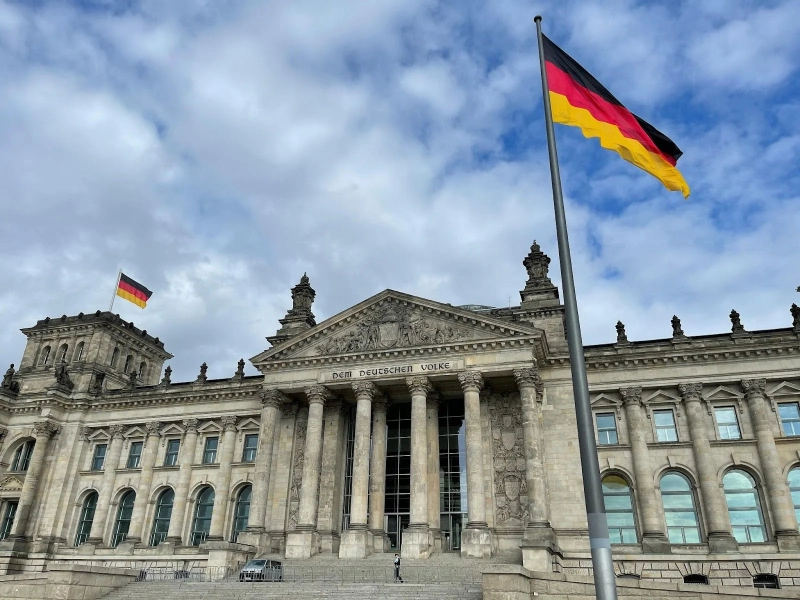
What will surprise you from the very first days of your trip?
Many tourists note that it’s not the architectural landmarks or museums that make the biggest impression, but rather the small habits and way of life of the Germans. What is a familiar part of the culture for locals becomes a real revelation for foreigners. From the strict “Quiet Sundays” to the preference for cash—these moments create a unique atmosphere for your trip.
“Quiet Sunday”: Why Stores Are Closed and Vacuuming Is Taboo
In Germany, Sunday (Sonntag) is a day of rest. Most stores, supermarkets, and even some cafes are closed. This isn’t just a tradition—it’s a legal requirement: on Sundays, only pharmacies, gas stations, and a few mobile bakeries are allowed to operate.
There are also “quiet hours” (Ruhezeit) that prohibit noisy activities: you can’t mow the lawn, drill, or even vacuum loudly. This may come as a surprise to tourists, as “life comes to a standstill,” but this is precisely what one of Germany’s most enduring cultural traditions looks like.
Tourists should keep this in mind and follow the rules:
Plan your shopping and supermarket visits for other days of the week.
Do not use a vacuum cleaner, washing machine, or power tools on Sundays.
Respect your neighbors’ peace and quiet in apartment buildings.
Cash Is Still King: When You Can’t Pay by Card
Despite its highly developed economy, Germany remains a country where cash takes precedence. Small cafes, bakeries, and markets often do not accept credit cards.
This is due both to Germans’ historical wariness of electronic payments and their desire to avoid unnecessary fees. Tourists are advised to carry enough euros in bills and coins to avoid finding themselves in an awkward situation. This fact is a real contrast for those accustomed to relying exclusively on cashless payments.
The Unspoken “Hausschuhe” Rule in German Homes
Another thing that may surprise visitors is the Germans’ attitude toward cleanliness in their own homes. Traditionally, outdoor shoes are removed at the doorstep, and special indoor slippers—Hausschuhe—are worn inside the house.
This unspoken rule applies almost everywhere: in private apartments, guest apartments, or even in some small hotels. Tourists should be prepared for such a request from their hosts and have comfortable slippers or socks to feel at ease and show respect for local customs.
City and History
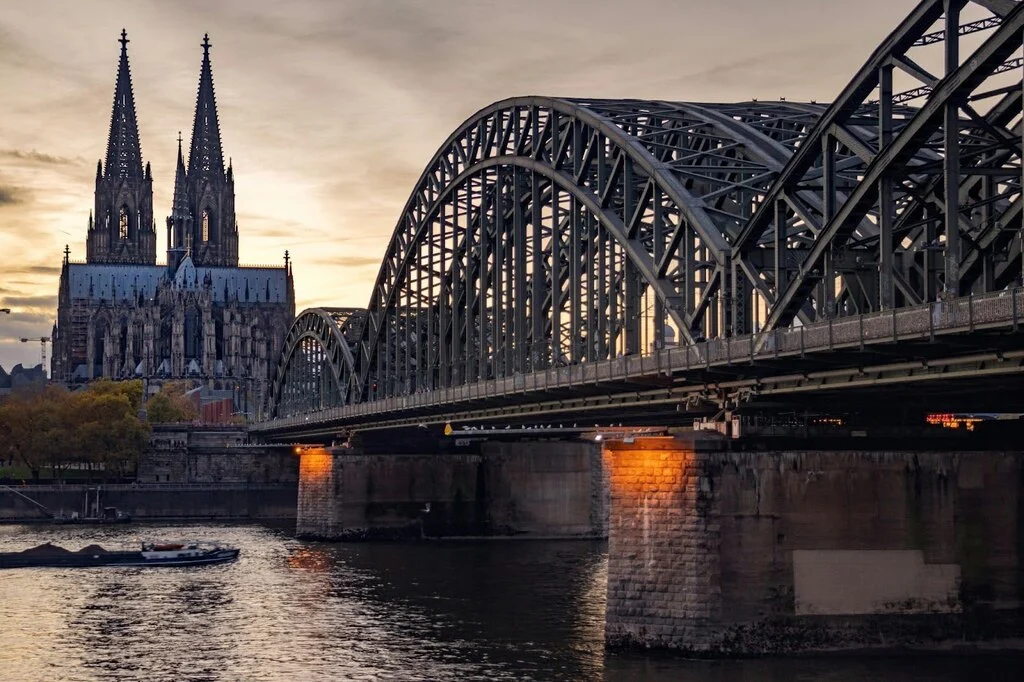
Germany’s history is reflected in its cities, which blend medieval castles, Gothic cathedrals, and modern architecture. Here you can find both symbols of world culture and little-known records that shape the country’s uniqueness. This information about Germany reveals it not only as a political and economic hub but also as a veritable treasure trove of historical landmarks.
Berlin—the City of Bridges: Why There Are More Here Than in Venice
Berlin is famous for its history, but few people know that there are over 900 bridges here—more than in Venice. They span numerous canals and the Spree River, creating a unique landscape. Such interesting facts about Berlin help you see the city not only as a political capital but also as a center of aquatic architecture that shapes its distinctive atmosphere.
Cologne Cathedral
Cologne Cathedral (Kölner Dom) is one of the most famous Gothic cathedrals in Europe. Its construction took 632 years—from 1248 to 1880. Today, it is a UNESCO World Heritage Site and a symbol of the perseverance of German craftsmen. The cathedral impresses not only with its scale but also because it has become the city’s main landmark, visited by millions of tourists every year.
Bavarian Castles
Bavaria is a true fairy tale for those interested in German culture. The most famous is Neuschwanstein, built by King Ludwig II, which served as the inspiration for the castle in Disney fairy tales. No less enchanting is Burg Elz—a castle with over 850 years of history that still belongs to the descendants of the Elz family.
It is precisely Eltz Castle’s interesting facts that make it particularly appealing: it has never been destroyed and has been preserved in its authentic form. While traveling through this region, tourists discover what Germany is famous for around the world—its fairy-tale fortresses and palaces.
Reutlingen and the World’s Narrowest Street
The city of Reutlingen in the federal state of Baden-Württemberg is home to the world’s narrowest street—Spreuerhofstraße. It is only 31 cm wide at its narrowest point and is listed in the Guinness Book of World Records. This is one of those interesting facts about Germany that few people know, but which offers travelers a unique experience.
How Did Germany Give the World the Art of Printing?
Johannes Gutenberg of Mainz invented the movable-type printing press in the 15th century. He ushered in a new era of knowledge dissemination around the world, as books became accessible to a wide audience. This invention forever changed European culture and provided yet another answer to the question: what are some interesting facts about Germany that nobody knows?
Eco-Friendly Habits That Work
For many years, Germany has been considered one of the leaders in environmental culture. Even tourists immediately encounter rules here that make life in cities cleaner and more convenient. This story about Germany will help you understand how simple actions—returning bottles or sorting trash—have become part of everyday life and set an example for the world.
The Pfand System
Germany has a deposit system for bottles and cans called Pfand. When you buy a drink, you pay an additional 8–25 cents, which you can get back by returning the empty container to machines in supermarkets. This is convenient for tourists: there’s no need to look for trash cans, and instead, you can get your money back and contribute to a culture of responsible consumption.
Waste Sorting
Waste sorting is an integral part of everyday life in Germany. There are blue bins for paper, yellow ones for plastic and metal, brown ones for organic waste, and green or white ones for glass, depending on the color. Tourists are advised to simply look at the icons and colors of the bins—and you’ll quickly understand how the system works. This interesting fact about Germany shows how the country cares for the environment, even in the smallest details.
Seasons and Culinary Traditions
German culture is closely tied to food and the changing seasons. There are true culinary celebrations to look forward to every year, and culinary traditions bring families and friends together. This interesting information about Germany will show you what the country is all about beyond the usual restaurants and Oktoberfest.
“Spargelzeit”: The Cult of White Asparagus from April to the End of June
From April through the end of June, Germany enters “Spargelzeit”—white asparagus season. It’s considered the “queen of vegetables,” and restaurants offer special asparagus-themed menus: in soups, with potatoes, hollandaise sauce, or ham. Local festivals take place during this time, and the price per kilogram can reach 10–15 euros. This is one of those interesting facts about Germany that’s best understood firsthand—by trying the dish.
Local Styles and Beer Gardens as Part of Everyday Culture
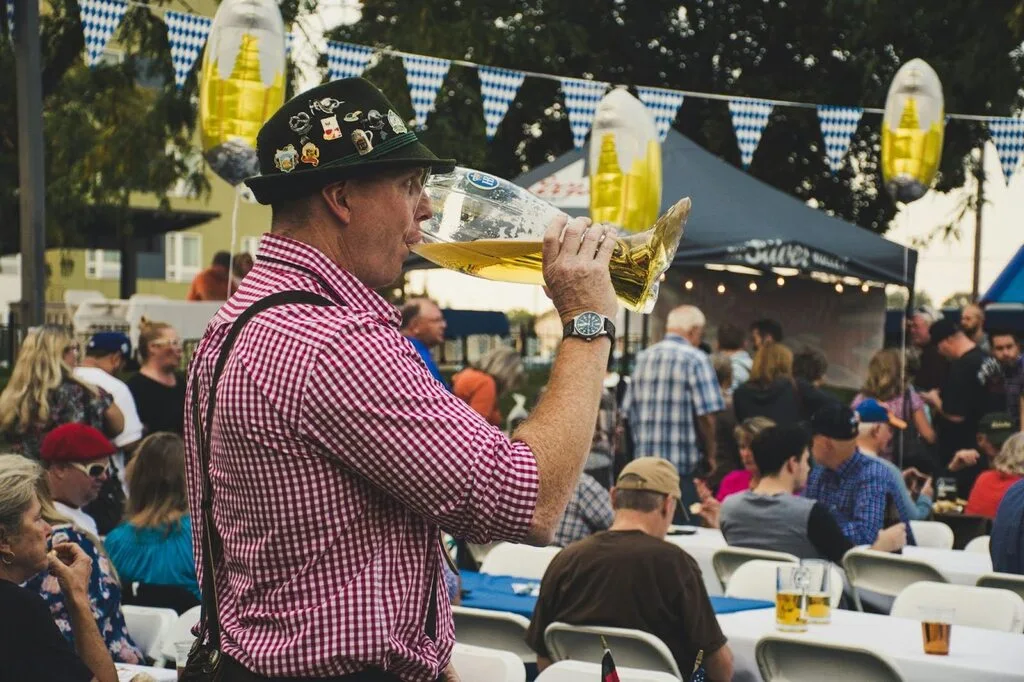
Although beer is often associated solely with Oktoberfest, it is actually part of the country’s everyday culture. Each region has its own varieties: in Bavaria, wheat beer (Weißbier) is popular; in Cologne, the light Kölsch; and in Düsseldorf, the darker Altbier.
Beer gardens (open-air beer gardens) have become meeting places for all generations: people gather here after work or on weekends to socialize and enjoy the community atmosphere.
The Pastry Traditions of Sunday “Kaffee und Kuchen”
For many Germans, Sunday is associated not only with rest but also with the tradition of “Kaffee und Kuchen”—a shared tea time with coffee and cake. It’s a sort of counterpart to the English “five o’clock tea,” but with a German twist: in cafés and at home, they serve strudel, black forest cake, or cheesecake. These are interesting facts that no one knows until their first trip: these culinary details shape the unique feel of the country
Holidays and Carnivals Not Everyone Knows About
Germany is known for its large-scale celebrations, but alongside Oktoberfest, there are lesser-known events that just as deeply reflect German culture. These festivals surprise tourists with their vibrancy and regional characteristics.
Weiberfastnacht in the Rhineland
Weiberfastnacht (Women’s Carnival) kicks off the festive season on the Thursday before Lent. According to tradition, women symbolically “take power” in the cities: they cut off men’s ties as a sign of independence and kick off the festivities. This colorful event is accompanied by costume parades and lively music.
Regional Carnivals in Cologne, Düsseldorf, and Mainz
The carnivals along the Rhine are among the most famous in the world, but each city has its own unique characteristics. Cologne hosts a massive parade with multi-level floats, Düsseldorf focuses on satire and political figures, and Mainz’s celebrations are distinguished by elaborate costumes and theatrical performances. This is yet another example of what Germany is known for—the diversity of its cultural traditions.
Local “Little Things” with Great Significance
In Germany, there are many unwritten rules that may seem strange to tourists but are of great importance to locals. Knowing these nuances will help you avoid awkward situations and get a closer feel for German culture.
“Regulars’ Table” in Beer Halls and Pubs—How Not to Sit in the Wrong Spot
In many traditional beer halls, there’s a concept called the Stammtisch, or “regulars’ table,” reserved for regular patrons. It’s usually marked with a sign, and tourists shouldn’t sit there to avoid causing discomfort or surprise among the locals.
Kehrwoche in Swabia
In the Swabia region, there’s a custom called Kehrwoche, where residents of an apartment building take turns cleaning common areas: hallways, courtyards, or stairwells. For a tourist renting an apartment, this may mean that the landlord will ask you to follow this rule.
“Quiet Control Panels” in Apartment Buildings
In German buildings, nighttime quiet hours (Ruhezeiten) are strictly observed, especially from 10:00 p.m. to 6:00 a.m. and on Sundays. During these hours, it is prohibited to play loud music, use a vacuum cleaner, or operate power tools so as not to disturb neighbors.
Apartment buildings often have special signs or “quiet buttons” that remind residents of the rules, and violations can result in a fine. Tourists staying in rental apartments should carefully follow these rules to avoid conflicts and show respect for local traditions.
Myths About Germany That Tourists Love—and How to Deal With Them
Germany is often the source of stereotypes and tourist legends. One of the most popular myths is Frederick the Great’s nickname—“the Potato King.” According to legend, he was the one who made potatoes a staple of Prussian cuisine, even ordering them to be grown under guard.
In reality, potatoes were known in Europe long before his reign, but thanks to Frederick’s policies, they did indeed become widespread in German cuisine. This is a striking example of how historical facts intertwine with legends, creating images that have taken root in the public consciousness.
Another common myth concerns beer. Tourists often hear that beer is cheaper than water in Germany. In supermarkets, this is sometimes actually true—a bottle of beer can cost less than bottled water.
However, in restaurants and cafés, the opposite is true: water is often cheaper than beer there, especially when ordering local German varieties such as Kölsch or Weißbier. This stereotype is more suited to jokes and tourist anecdotes than to real-life experience.
In addition, tourists often expect Germans to be overly strict or cold. In reality, German culture is based on politeness, punctuality, and respect for personal space, not on unfriendliness. Adhering to rules of conduct, etiquette, and local customs will help visitors not only avoid misunderstandings but also immerse themselves more deeply in the country’s atmosphere.
Understanding these nuances and real facts helps tourists see Germany as it truly is—interesting, multifaceted, and unique—rather than just through the lens of stereotypes.
Practical Tips for Tourists from LikeBus
To make your trip to Germany as comfortable as possible, keep a few simple but important points in mind:
Plan your itinerary in advance. Popular castles, museums, and cathedrals have limited admission, so booking tickets online will save you time.
Check store hours. Most stores are closed on Sundays, so do your shopping in advance.
Use public transportation. In Germany, it’s punctual and convenient, but you must validate your ticket—failure to do so may result in a fine.
Be mindful of quiet hours. This is especially important in rental apartments or hotels: quiet hours are from 10:00 p.m. to 6:00 a.m.
Practice eco-friendly habits. Sort your trash and return bottles through the Pfand system—locals appreciate this.
Be mindful of local customs. For example, take off your shoes when entering a home and don’t sit at the “reserved table” in pubs.
Be polite guests. Germans value punctuality, calmness, and respect for personal space.
Conclusion
Germany is a country of contrasts, where high-tech cities coexist harmoniously with medieval castles, and traditions are woven into modern life. From eco-friendly habits to gastronomic rituals, from festive carnivals to linguistic nuances—all of this contributes to Germany’s multifaceted culture.
We hope these interesting facts about Germany will help travelers see the country in a new light and discover its unexpected sides. When traveling with LikeBus, you’ll be able to see what Germany is famous for and experience its authentic atmosphere.
| Ticket booking | +38 (098) 343-82-82 |
| Support | +38 (050) 082-82-82 |
