

Language selection
Language selection
Currency selection

When crossing the border, a passenger goes through not one, but several types of controls. For a traveler, this means that it is important to prepare not only entry documents, but also luggage, purchases, medications, and other items that may raise additional questions.
In most cases, the following are checked at the border:
It is worth understanding the difference between customs rules and carrier rules separately . Customs assesses whether a particular product is allowed to be imported, whether the duty-free limit has not been exceeded, and whether it has signs of a commercial consignment. The carrier, in turn, sets its own requirements for the number of pieces of luggage, their dimensions, weight, and conditions of transportation in the cabin or luggage compartment. Therefore, before the flight, it is useful to separately review the rules for transporting luggage on international buses .
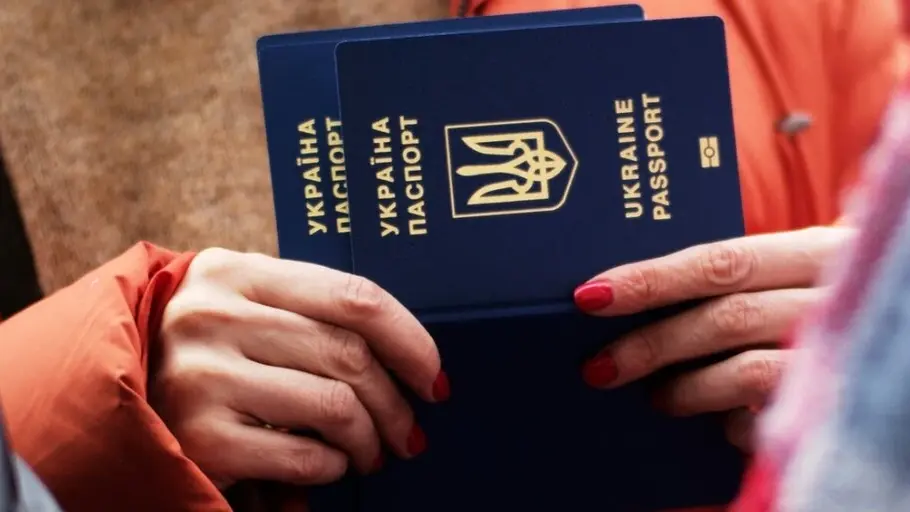
The basic document for the trip is a valid international passport. For citizens of Ukraine with a biometric passport, a visa-free regime is in force for short-term stays - up to 90 days within a 180-day period. If the trip is longer or the reason for the stay is different, a visa, residence card or other documents confirming the legality of the stay may be required.
In addition to your passport, border guards may ask for documents confirming the purpose of your trip: accommodation reservation, address, return ticket, confirmation of employment, study or invitation – depending on the situation. It is also important to have documents confirming the availability of funds for the duration of your stay. In practice, not every passenger is asked for a full package of confirmations, but it is worth being prepared for this.
If you want to separately check the list of documents for an international flight, review the material required documents for traveling by bus abroad . It will help you check the basic package before leaving for the bus station.
For short tourist and private trips, official Polish regulations also require sufficient funds. The guideline is: at least PLN 300 if the planned stay does not exceed 4 days, or PLN 75 for each day if the stay lasts longer. If the passenger does not have a return ticket, they may additionally check the funds for the refund. That is why it is better to keep tickets, reservations and other confirmations in paper or electronic form.
The main principle is simple: items for personal use are allowed through without any problems, as long as their quantity, type, and packaging do not look like a commercial shipment. However, different categories of goods have different rules, so it is better to focus not on the general impression, but on specific norms.
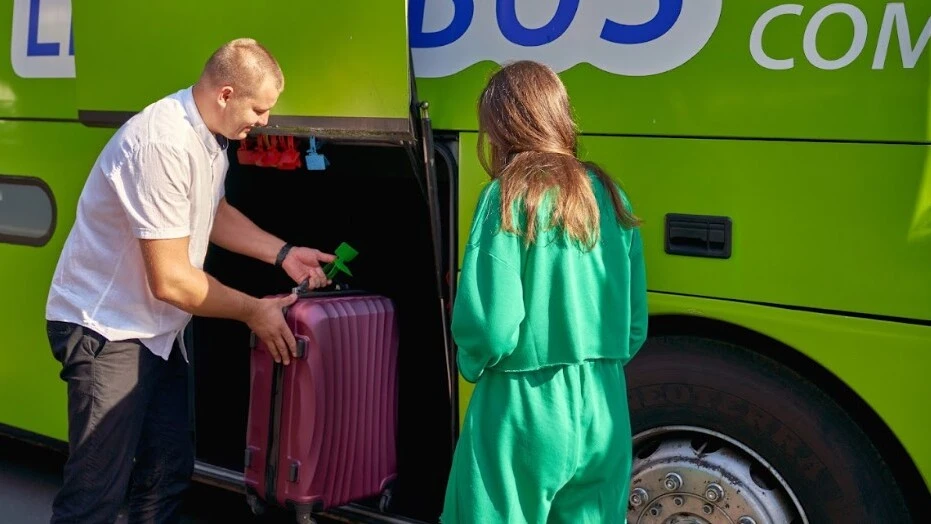
Clothes, shoes, cosmetics, accessories, books, used gadgets, travel items, and other items that are clearly intended for your use during your trip usually don't cause problems. Risks arise when your luggage contains a lot of new, identical items, items in factory packaging in large quantities, or items that are difficult to explain as personal needs.
For example, one laptop, phone, headphones, power bank, or camera for yourself is a normal situation for a traveler. But if you are carrying several new smartphones, several packaged perfumes of the same type, or a large amount of branded clothing with tags, customs may raise questions about the commercial nature of the import.
That's why it's better to keep receipts and packaging separate from personal items for new purchases. If something is purchased for yourself but is of high value, a purchase receipt can save time during the inspection.

It is with products that mistakes most often occur. A common misconception is that you can carry any products within the conditional 1-2 kg. In fact, separate veterinary and sanitary rules apply to entry into the EU from a country outside the EU, and they depend not on the total weight of the luggage, but on the category of the product.
Meat, meat products, milk and dairy products from Ukraine to the EU in personal luggage are generally not allowed. This applies not only to raw meat or homemade sausage, but also to many products that contain such ingredients. That is why it is better not to take sausage sandwiches, homemade meat pies or dairy products with you across the border.
Fish and fish products are allowed in limited quantities – up to 20 kg or one whole fish if it weighs more. This is a separate category, for which a different norm applies.
Powdered baby food, infant food, and food for medical purposes can be taken in quantities of up to 2 kg, if the product does not require refrigeration before opening, is in intact factory packaging, and is intended for personal use.
Certain meat- and dairy-free products , such as some dry snacks, tea, coffee, cereals, cookies, or other shelf-stable products in factory packaging, are usually easier to transport. But even here, it is important to look at the composition. If the product contains dairy or meat components, the rules will be different. For some meat- and dairy-free products, in particular honey, a guideline of up to 2 kg per person applies.
The practical conclusion is simple: if there is any doubt about the composition of the product, it is better not to take risks. On a trip, it is much safer to take dry products with a simple composition, factory packaging and clear labeling. For a bus trip, it is also useful to read separately the material on what not to take with you on the bus , since some things may be undesirable not only for customs, but also according to the rules of the carrier.
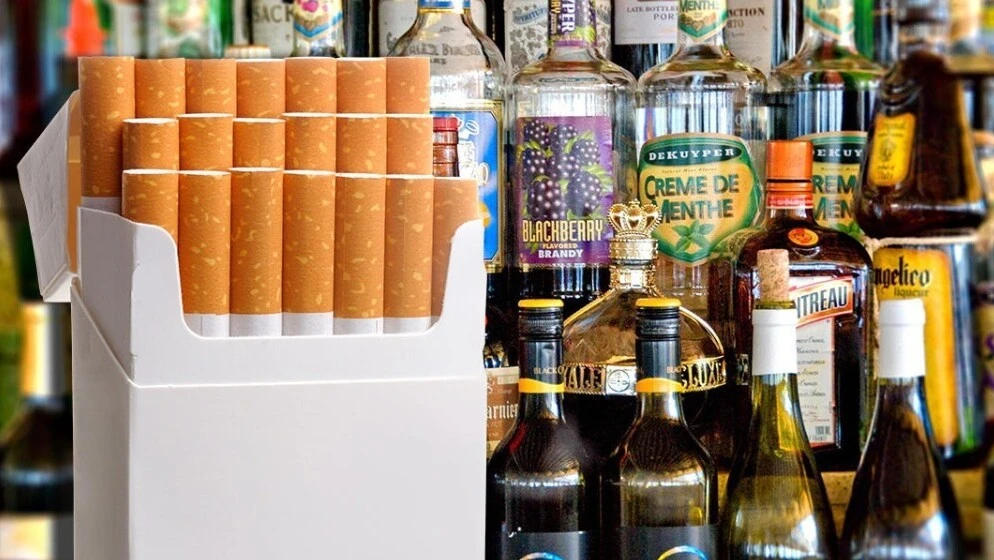
For passengers aged 17 and over entering Poland by land from a non-EU country, there are clear duty-free rules. For tobacco products, this is one of the following limits: up to 40 cigarettes, or up to 20 cigarillos, or up to 10 cigars, or up to 50 g of tobacco. Combinations are allowed, but the total must not exceed 100% of the established limit.
The following logic applies to alcohol: up to 1 liter of strong alcohol with an alcohol content of over 22% or up to 2 liters of drinks with a strength of up to 22%. Up to 4 liters of still wine and up to 16 liters of beer are separately allowed. It is important not to confuse these rules with the norms for air travel or with limits for travel within the EU - these are different regimes.
It is also worth considering that lower standards may apply to border residents, certain border workers, and crew members. If your situation is not standard, it is best to check it individually before traveling.
If you are carrying up to 10,000 euros equivalent per person, a separate declaration at the border is generally not required. If the amount is equal to or exceeds 10,000 euros, a declaration must be submitted. This applies not only to banknotes of different currencies, but also to some other forms of monetary instruments that the EU considers “cash” for customs control.
An important nuance: the limit applies to each person separately . If a family is traveling, customs do not assess the amount “together” in a general sense, but who is physically transporting the funds. In addition, even amounts below 10,000 euros may attract attention if customs authorities have reasonable suspicions about the origin of the money or its purpose.
It is important to have not only the funds themselves for the trip, but also a logical explanation of the source and purpose of a large sum of money if it is really needed. This is especially important for passengers carrying cash for housing, medical treatment, tuition fees, or an extended stay.

You can import medicines for your own use, but there are rules here too. For common medicines, the official Polish norm is no more than 5 packages of the same medicine for your own needs, if the medicine does not contain narcotic or psychotropic substances. It is advisable to always have a medical certificate or prescription, even if the medicine is familiar and seems obvious to you.
Special attention is required for prescription drugs, potent drugs and medicines that may contain controlled substances. They may require a separate document, and in some cases, special approval or registration according to the procedure determined by the Polish Pharmaceutical Inspectorate. If you transport such medicines regularly, it is better not to postpone the inspection until the last day.
A useful practical approach is as follows:
Separately, material to put in a travel first aid kit will be useful for the road , but customs regulations for medicines still need to be checked against official rules.
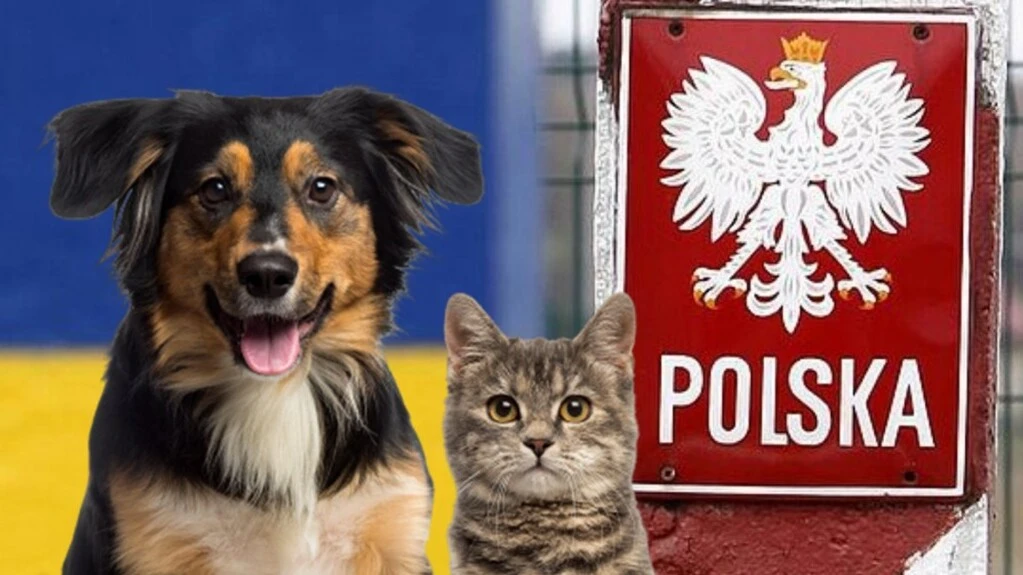
If you are travelling with a dog, cat or ferret, it is not enough to rely solely on the carrier's internal rules. A microchip, a valid rabies vaccination and appropriate veterinary documents are essential for entry into the EU. For travel from a non-European country to the EU, the basic document is the EU animal health certificate , not just a regular veterinary passport as the only document.
In some cases, additional requirements may apply, such as a rabies antibody titer test or special veterinary procedures. That is why when traveling with an animal, it is better not to rely on universal advice from social networks, but to check the requirements for the country of departure and route. Separately, remember that for non-commercial movement, the standard limit is up to 5 animals.
For a bus trip, it is also useful to check the internal transportation conditions in the article Can animals be transported on a bus ?, but the main thing is that the package of documents for the animal meets the requirements for entry into the EU.
A separate category is goods that are either completely prohibited or require special permits. These include weapons and ammunition, narcotics, explosives and toxic materials, some chemicals, cultural objects without supporting documents, as well as certain animals, plants and products thereof that are protected by CITES.
In practice, passengers are more likely to encounter not openly prohibited items, but goods that are “on the borderline”: large batches of cosmetics, appliances, perfumes, electronics, clothing, purchases of the same type, goods in boxes with store stickers, as well as home-made products. Formally, a person may not have the intention to sell anything, but if the luggage looks like a commercial batch, this is enough for additional inspection.
Caution is also required with souvenirs, products made from leather, bone, feathers, or other materials of animal origin. If the product falls under environmental or veterinary restrictions, it may be detained even when the purchase seems normal.
For a passenger entering Poland by land from a non-EU country, the duty-free value limit for goods in personal luggage is EUR 300. If the total value of new goods exceeds this threshold, they may be subject to declaration and the charging of taxes and customs duties depending on the category of goods.
It is important that this cost does not include:
Customs also assesses not only the price, but also the nature of the import. If the import is non-commercial, it must be occasional, and the goods must be for the personal use of the passenger, his family, or as gifts. If the suitcase contains many identical new items, the risk increases that the import will be recognized as commercial even if you try to explain it differently.
CategoryWhat is important to knowGoods in personal luggageUp to 300 euros when entering by land from a country outside the EU, if the import is non-commercial.CashFrom 10,000 euros in equivalent - mandatory declaration.MedicineUp to 5 packages of the same drug for personal use, as long as it does not contain controlled substances.Tobacco for entry by landUp to 40 cigarettes or equivalent in other tobacco products for persons 17+.AlcoholUp to 1 liter of strong alcohol over 22% or up to 2 liters of alcohol up to 22%, separately - up to 4 liters of still wine and up to 16 liters of beer.
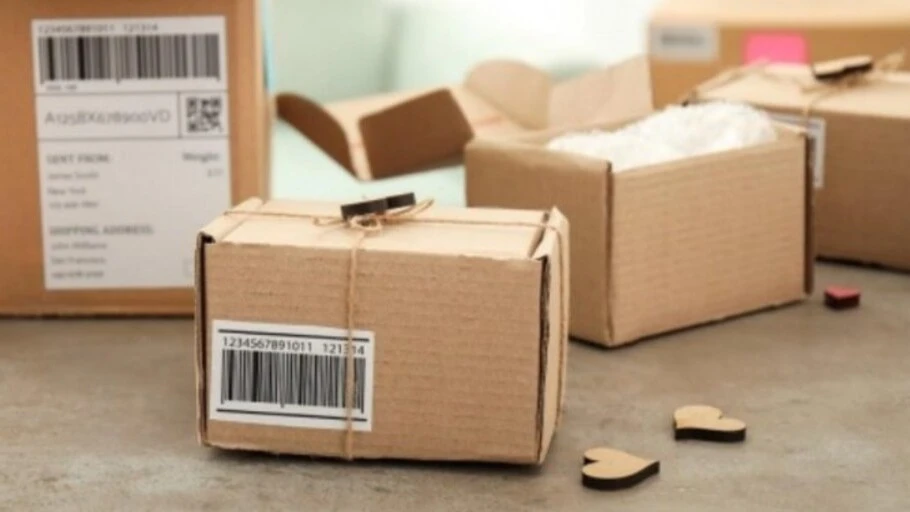
Many passengers carry not only their own belongings across the border, but also gifts for relatives, purchases for acquaintances, or packages “on the way.” This is the area that often creates the most misunderstandings. If a person is transporting someone else’s belongings but does not know the exact composition, origin, or value of the goods, they assume all the risks during control.
A shipment that you were “asked to just hand over” may contain restricted goods, misdeclared items, or a quantity that appears to be small wholesale. In such a situation, the explanation “it’s not mine” usually doesn’t help, as it is the passenger who physically carries the luggage across the border.
Therefore, the safe approach is:
If you are in doubt about whether a purchase is subject to declaration, it is better to sort it out before the trip, not at the border. For informational preparation, it is also useful to read how to prepare for a bus trip to another country .
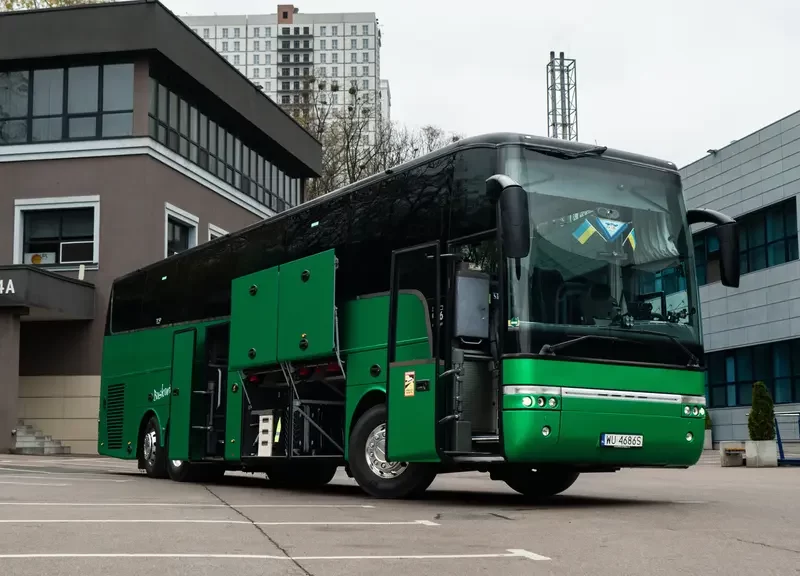
For many passengers, Poland is not only the first country of entry into the EU, but also an important transport hub for further transfers, work, study or short trips. That is why the bus route is often chosen as the easiest option: it allows you to leave without transfers from many cities in Ukraine, take the necessary luggage with you and reach a specific destination city in Poland.
On the bus tickets to Poland page , you can view current destinations, choose a flight, and understand which cities are available for a direct trip. This is convenient not only for those who are still planning a trip, but also for those who are already in Poland and are looking for a return flight or a trip to another city.
To make your trip smoother, it's worth checking three things in advance: your entry documents, your carrier's baggage rules, and customs restrictions on specific items. This simple preparation usually eliminates most of the risks before you leave.
Before your trip, it’s a good idea to go through a short checklist:
It is better to be especially careful with homemade products. Meat, meat products, milk and dairy products cannot be imported. If the product is safe in terms of composition, it is still desirable that it is in clear packaging and does not raise doubts during inspection.
Up to 10,000 euros in equivalent per person – no mandatory declaration. If the amount is equal to or exceeds 10,000 euros, it must be declared.
One or a few devices for personal use is usually not a problem. However, a large number of new equipment in packages may appear to be a commercial import. In this case, customs may ask for explanations, checks or a declaration.
For land entry from a country outside the EU, the guideline is up to 300 euros for goods in personal luggage, if the import is of a non-commercial nature.
For regular medications – up to 5 packages of the same medication for personal use, provided the medication does not contain narcotics or psychotropic substances. Check the requirements separately for prescription and controlled medications.
No, not always. For entry into the EU from a non-European country, the key document is usually an EU animal health certificate, but a microchip and rabies vaccination are also important. In some cases, additional veterinary documents may be required.
It is safest to check the rule in advance or declare the goods if there is a real doubt. At the border, this is better than explaining the excess after the inspection.
Crossing the border between Ukraine and Poland is not difficult if you separate three things in advance: entry documents, customs rules, and carrier rules. The most common problems are usually caused by non-obvious products in luggage, large amounts of undeclared cash, an excess of new purchases, and medicines and documents for animals that were not checked before the trip.
If you collect your documents in advance, avoid taking questionable products, keep receipts for purchases, and check your limits before leaving, your trip to Poland will go much smoother. And to plan your route, check flights, and prepare for your trip, you can use the LikeBus service for trips to Poland and related blog materials about documents, luggage, and rules of international bus travel.
| Ticket booking | +38 (098) 343-82-82 |
| Support | +38 (050) 082-82-82 |
