

Language selection
Language selection
Currency selection

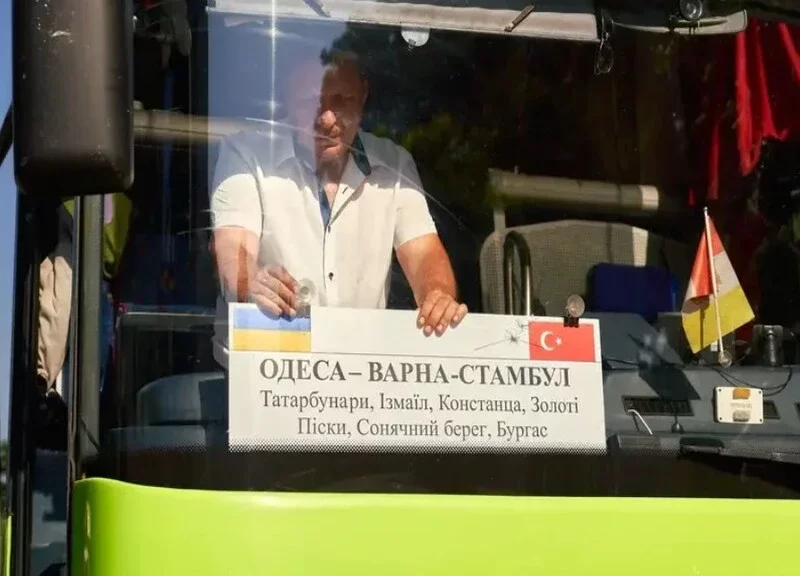
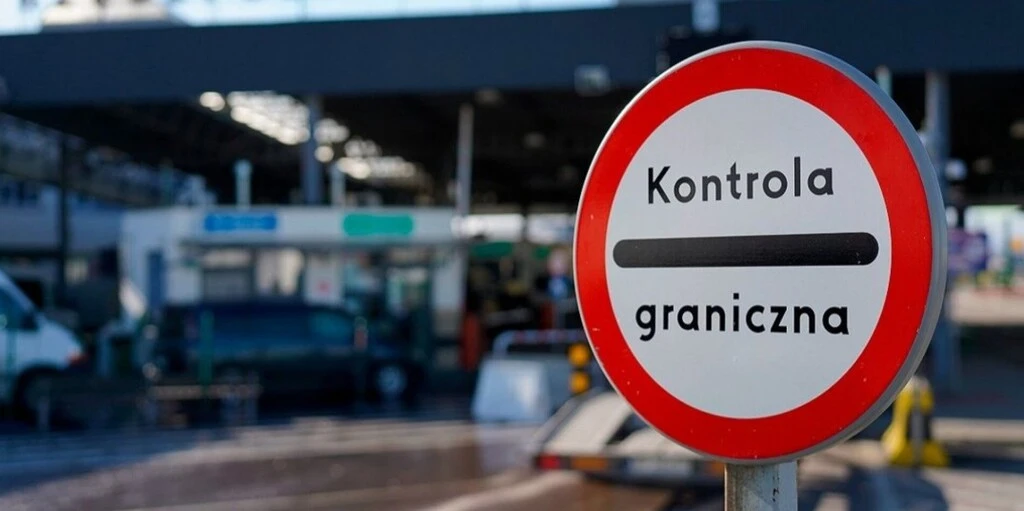
Crossing the border by bus consists of several stages, and each of them can take different amounts of time depending on the season, queues, the busyness of the checkpoint and the route. Usually, the bus arrives at the checkpoint, after which passengers go through border control and, if necessary, a customs inspection of their belongings. In some cases, passengers get off the bus with their documents, in others, the documents are checked right in the cabin or near the vehicle. That is why you should not get attached to one scenario and expect that everything will be the same at each crossing.
At the border, the Ukrainian side first checks the right to travel. For most passengers, this means checking the travel document, and for certain categories, additional confirmations. After that, on the side of the country of entry, they can check the reason for the trip, duration of stay, address of residence, proof of funds, return ticket, insurance, documents for a child or a pet. For short trips within the visa-free regime, this does not mean that you will necessarily be asked for a full package of documents, but the border guard has the right to ask clarifying questions.
It is especially important to understand the difference between border and customs control. The border guard checks your documents and your right to enter or exit. The customs officer assesses what exactly you are transporting across the border: alcohol, tobacco, cash, food, medicine, equipment, gifts or other goods. It is at the customs stage that they may ask you to open your luggage, show receipts or explain what exactly you are carrying. If the items look like a commercial shipment or fall under restrictions, this may delay crossing the border even if everything is fine with your passport.
The time it takes to cross the border by bus can vary significantly. In calm traffic, the formalities can take relatively little time, but on peak days, during holidays, seasonal vacations or mass departures, the wait can be significantly longer. That is why it is worth planning ahead for an international bus trip, having a charged phone, water, documents at hand and understanding that a delay at the border does not always mean a problem with the flight.
There is no universal package that is 100% suitable for any country. But there is a basic set of documents without which it is better not to plan an international bus trip. Some of them are checked almost always, others may be required selectively depending on the route.
The basic package should include:
In order not to miss anything important, it is useful to check your package of documents with the general checklist in the material on how to prepare for a bus trip to another country before the trip . This does not replace checking the official requirements, but it helps to systematically prepare for the trip.
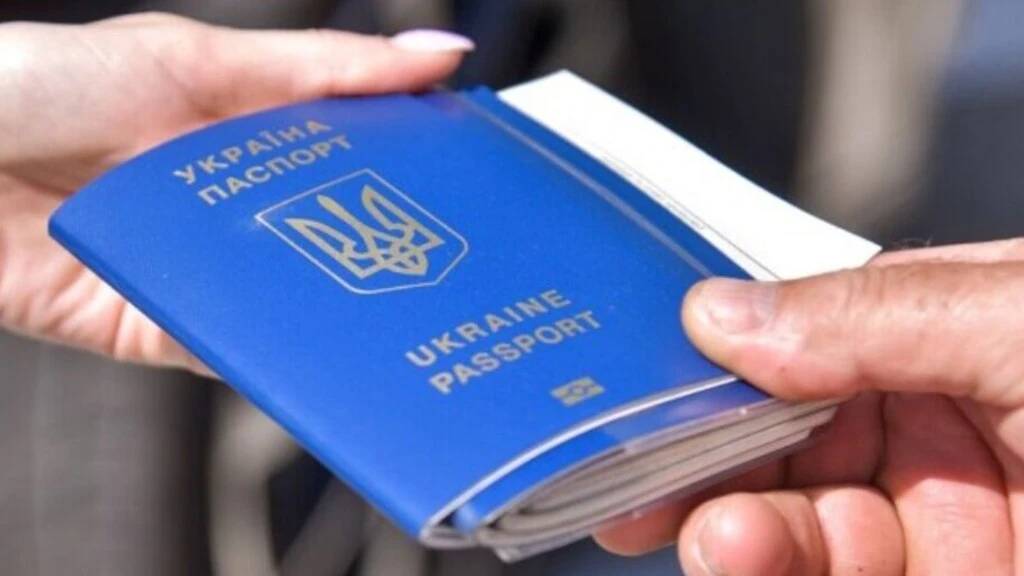
For an adult passenger, the main document on most international bus routes is a valid passport. For short trips to EU and Schengen countries, the official European rule for third-country nationals is: the passport must be issued no more than 10 years ago and be valid for at least 3 months after the planned date of departure from the EU. For other countries, the conditions may be different, so it is not worth focusing on just one universal term.
The second document that must be checked separately for each destination is a visa or other entry permit. For some countries, Ukrainians can travel without a visa, but this does not apply to all countries and does not mean that a visa will never be needed. If you are not traveling as a tourist, but to study, work, volunteer or stay longer, the rules may be different. That is why before the flight it is important to check not only “is there a visa-free regime or not”, but also the permissible period of stay and the list of supporting documents.
Border guards often also pay attention to confirmation of the purpose of the trip. This can be a hotel reservation, address of residence, letter of invitation, tourist voucher, return ticket or other documents that logically explain the route. If a person says that he is going to visit relatives, but cannot give an address or show a contact, this creates unnecessary questions. The same applies to trips for several days without a clear plan of accommodation.
Another block is financial capacity. At the EU level, there is no single fixed amount “per day” for all countries. Each state sets its own guidelines, and the border guard can assess the situation taking into account the duration of the trip, accommodation, availability of tickets and route. That is why, instead of the formula “50 euros per day”, it is more correct to assume that you must have real confirmation of the ability to pay for accommodation, meals and return. This can be cash, a bank card, a bank statement or other confirmation.
It is worth mentioning insurance separately. To obtain a Schengen visa, medical insurance with a minimum coverage of 30,000 euros is an official requirement. For visa-free travel, such a policy is not always formally mandatory for the very fact of entry, but it is often needed as practical protection and can be a useful document during verification. This is especially true for transit routes, trips with transfers, longer bus trips and trips with children.
Almost every adult passenger should have not only the originals, but also a convenient order of documents. It is best to keep them separately: passport, ticket, insurance, reservation, contact information of the place of residence, several printouts or screenshots. This seems like a small thing, but it often saves time during the check.
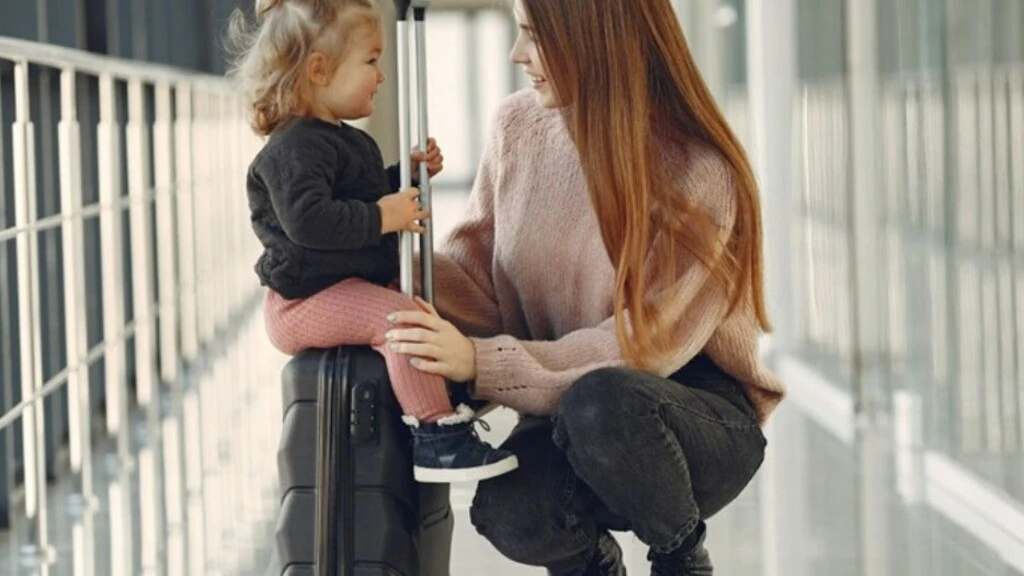
Traveling with a child is a separate scenario that requires more attention to documents than traveling with an adult passenger. The first thing to consider is that it is advisable for a child to have their own passport for international travel. The State Migration Service of Ukraine directly states that a passport for traveling abroad is issued to children from birth. This is the most reliable option for bus travel, regardless of the child’s age.
In addition to a passport, it is useful for a child to have a birth certificate or a copy of it, especially if the child is young, the child and parents have different surnames, or the child is not traveling with both parents. If the mother, father, and child have different surnames, it is better to immediately prepare documents that explain the family relationship: a certificate of marriage, divorce, change of surname, or other supporting documents.
It is very important to distinguish between two things: the rules for leaving Ukraine and the rules for entering the country of destination. There are certain simplifications for children leaving Ukraine during martial law. The State Border Service reports that a child under 16 years of age can leave with one parent without the notarized consent of the other. Also, in certain cases, departure with a grandmother, grandfather, adult brother, sister, stepmother, stepfather or other authorized persons is allowed - but here it is important to look at what kind of confirmation of family ties or powers are required in a particular case.
At the same time, the destination country may have its own rules regarding the entry of children. Even if Ukraine allows departure without the notarized consent of the other parent, a foreign border guard may ask additional questions or request explanations if the child is not traveling with both parents. Therefore, in situations where the route is complicated, the child is traveling with relatives, or one of the parents is not traveling, it is better to check the rules of the country of entry in advance.
What you should prepare for a trip with a child in practice:
If your child is traveling for a longer period of time, you should also think about school documents, medical certificates, a basic first aid kit, and anything else you might need immediately upon arrival. For practical preparation for the trip, you can also use the materials in a travel first aid kit .
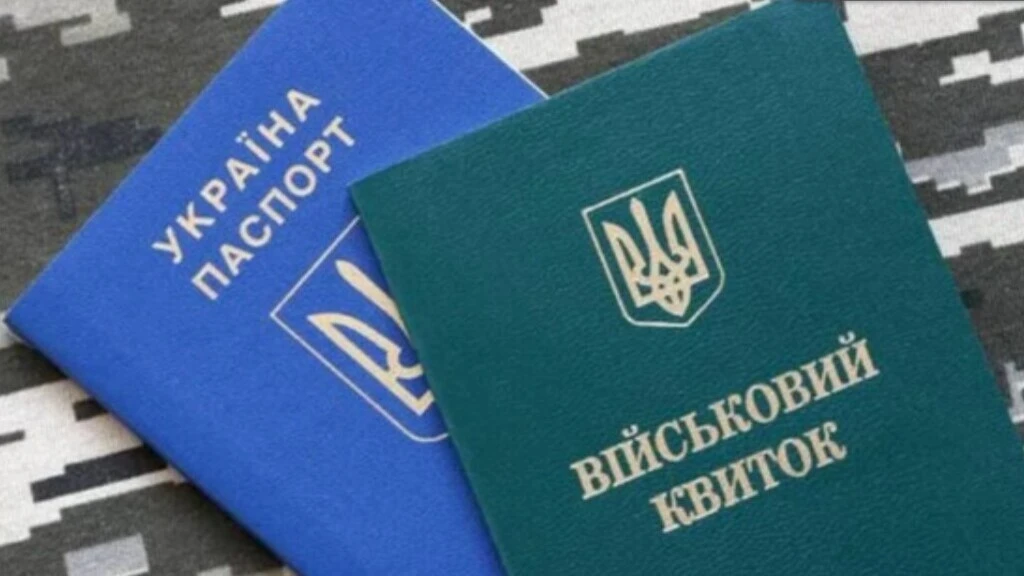
For male citizens of Ukraine aged 18 to 60, the issue of traveling abroad during martial law remains a separate and legally sensitive issue. The most important thing to understand is that having a passport does not in itself mean an automatic right to travel. The State Border Service directly states that having a military registration document is a mandatory requirement for all men in this age category when crossing the border. But the document itself does not guarantee a pass - border guards also check the grounds on which a person has the right to travel.
That is why in such a block it is important to avoid simplifications like “a document on a deferral is needed and that’s it”. The actual verification depends on the category of the person and on what documents confirm their right to travel according to the current rules. For some it may be a reservation, for others – disability, large family, accompanying a child, permanent residence abroad, study or other legal basis. The list of categories and supporting documents should always be checked against official notifications of the State Border Service of Ukraine and the Cabinet of Ministers, because the rules may be revised.
What a man aged 18-60 should have before traveling:
It is especially important not to rely solely on photos of documents on your phone or informal explanations. If the reason for departure is complex, the documents must be complete, up-to-date, and clear for verification. Before your flight, it is best to go through the official explanations of the State Border Guard Service and make sure that your specific case really falls under the rules in force at the time of departure.
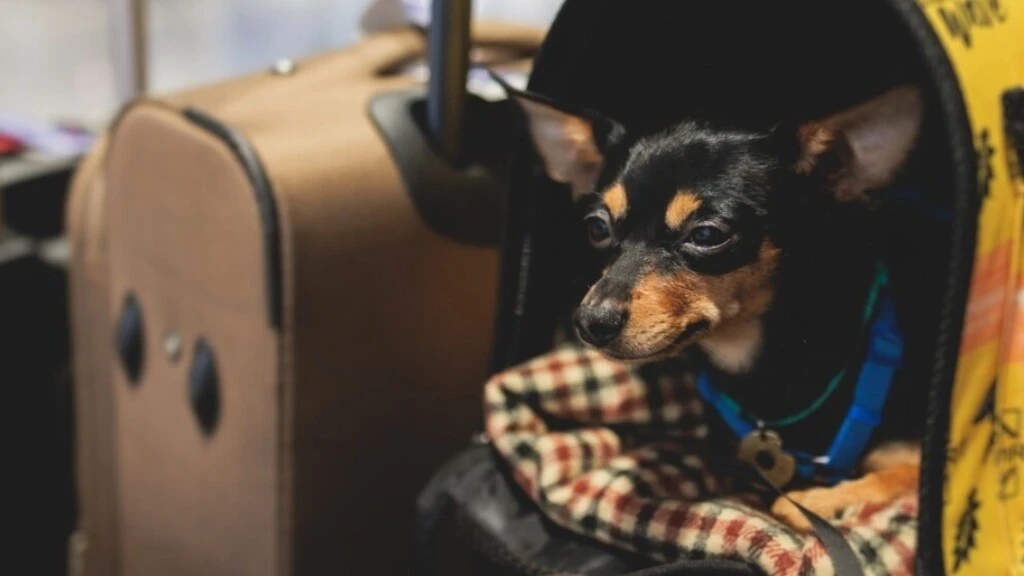
Traveling by bus with a pet requires not only approval from the carrier, but also separate preparation of documents for crossing the border. This is especially true for trips to the EU with a dog, cat or ferret, where the rules are quite clear. This is where mistakes most often occur: people rely on old advice from the Internet or think that one veterinary passport will be enough.
For entry into the EU from a non-EU country, basic requirements usually include:
An important nuance: European rules for animals are not reduced to a single formula of “vaccination 30 days before departure”. The official norm for primary vaccination is at least 21 days before the day of entry. It is also important that the vaccination was done after chipping or that this data correctly matches in the documents.
In addition to state requirements, there are also carrier rules. Not every bus allows the transportation of animals under the same conditions. The size of the carrier, the animal's place in the cabin, surcharge, weight restrictions, the presence of a muzzle or litter may be important. That is why before buying a ticket, it is worth separately reviewing the material on whether animals can be transported on the bus and only after that clarify the details of the flight.
To avoid problems at the border, do not rely on a partial package of documents. If you are traveling to the EU with an animal, check not only the internal rules of Ukraine, but also the current requirements of the country you are entering first.
In addition to basic documents, the border guard may ask for additional confirmation. This does not mean that there is anything wrong with your trip. This is a normal part of the control, especially if the route is long, the destination country is not obvious, or the purpose of the trip does not seem typical.
Most often, they may additionally ask for:
If the trip is of a non-standard nature – for example, a trip for medical treatment, study, work, a longer stay or further transit to a third country – it is better to collect a package of confirmations separately for your situation. In such a case, it is always better to have more supporting documents than to hope to explain everything verbally at the border.
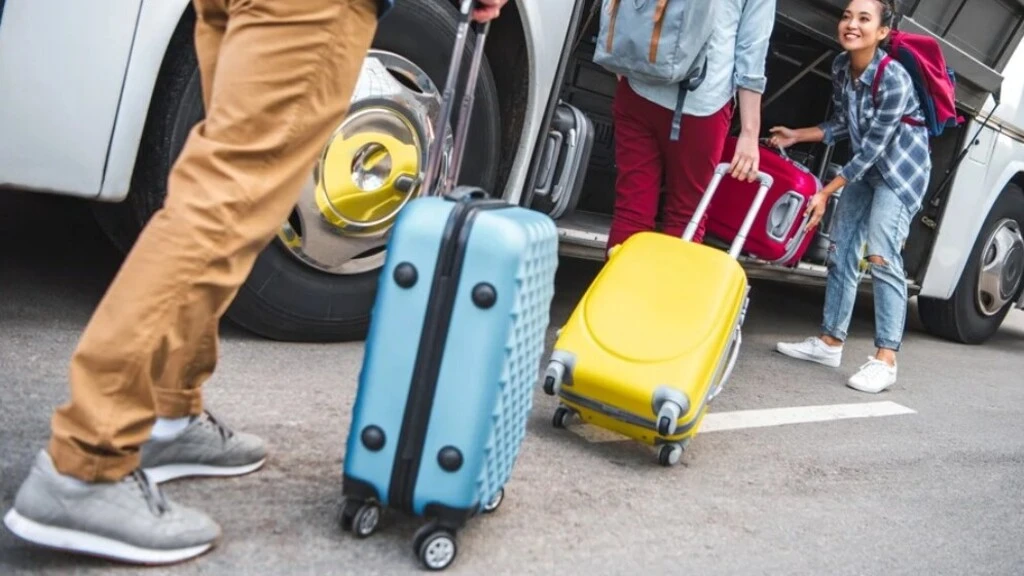
Problems at the border often arise not because of your passport, but because of your luggage. That is why before an international bus trip, it is important to know not only the list of documents, but also the basic customs rules: what can be transported without declaring, what has restrictions, and what is better not to take with you at all.
There are separate rules at EU level for alcohol, tobacco and cash, but they vary depending on whether you are travelling within the EU or entering the EU from a non-EU country. For land entry from Ukraine to the EU, you should not rely on aviation regulations or advice from other routes. If you are carrying alcohol, tobacco, cash, medicines, equipment or gifts, it is best to check the rules before you travel.
Regarding cash, an important rule at the EU level is this: if you import or export 10,000 euros or more in equivalent, the amount must be declared. However, there is no single European system for travel between EU countries, so in some cases national rules also apply.
A separate topic is food. When entering the EU from non-EU countries, there are restrictions on the import of meat, milk and products made from them. This rule is often violated due to the habit of taking “homemade food on the road”, but it is these things that are most often subject to confiscation. If you take food on the bus, it is better to focus on safe options, rather than animal products, which may raise questions. For practical preparation, the material on what to take from food on the road will also be useful .
As for the carrier's own luggage, it is not customs but transport rules that apply here. They determine how many suitcases you can take, what hand luggage is allowed in the cabin, how additional luggage is processed and what items may be prohibited for transportation by bus as such. Therefore, before the trip, it is worth separately checking the rules for transporting luggage on international buses and what material you cannot take with you on the bus .
Even if you have a basic package of documents, before you travel, you should definitely check the requirements of the country you are traveling to. Below is a short block with guidelines for the most popular destinations that are often traveled to by bus from Ukraine.
For a trip to Poland, it is worth separately checking the current border crossing rules, the list of documents for children and men, as well as customs regulations for goods and products. For a basic guide, you can use the page bus tickets to Poland and practical material on what can be transported to Poland from Ukraine .
For the Czech Republic, it is important to check not only your passport and visa-free regime, but also confirmation of the purpose of the trip, funds, and insurance. A separate up-to-date guide is available here: rules for entering the Czech Republic for Ukrainians .
To travel to Slovakia, it is worth checking the basic package of documents, the possibility of visa-free entry, as well as practical requirements for traveling with a child or animal. Separate material: rules for entering Slovakia for Ukrainians .
Romania remains one of the most common land routes, so it is especially important to check documents for children, rules for men, and possible customs restrictions. Useful reference: rules for entering Romania for Ukrainians .
If the route goes to Bulgaria, it is worth separately checking the rules for visa-free stay, documents for children, animals and confirmation of the purpose of the trip. For this, the guide to the rules of entry into Bulgaria for Ukrainians is suitable .
Even if you've traveled to one of these countries before, don't assume the rules remain the same. The blog's internal guides are good for informational preparation, but it's always best to do your final check before traveling with official sources from the country of entry.
Even properly collected documents do not guarantee a smooth journey if they are lying in a suitcase, your phone is dead, and you are looking for the necessary booking file at the last minute. That is why before an international bus trip, it is worth thinking not only about the formalities, but also about the practical organization of the trip itself.
If you want to pack systematically, it's also a good idea to review tips for preparing for an international bus trip before your trip . This helps you remember the basic little things that, in practice, affect comfort no less than the route itself.
Not always. A passport is a basic document, but depending on the country and purpose of the trip, a visa, insurance, proof of accommodation, a return ticket, financial documents, or additional confirmations may be required.
For short trips to EU and Schengen countries, the passport should usually be issued no more than 10 years ago and be valid for at least 3 months after the planned date of departure from the EU.
To leave Ukraine during martial law, a child under 16 can travel with one parent without the notarized consent of the other. However, the rules of the country of entry may differ, so they should also be checked.
A valid travel document, military registration document, and documents confirming the right to travel under current regulations are required. The mere fact of having a military registration document does not mean automatic permission to travel.
For a Schengen visa, yes, and it must cover at least 30,000 euros. For visa-free short trips, insurance is not always formally mandatory for the very fact of entry, but is often desirable and may be required as a supporting document.
Typically, a microchip, a valid rabies vaccination, compliance with the deadline after the primary vaccination, and an EU animal health certificate are required. In some cases, additional veterinary requirements may be required.
If you are importing or exporting from the EU less than the equivalent of 10,000 euros, the general rule about mandatory declaration does not apply. If the amount is equal to or exceeds 10,000 euros, it must be declared.
You can take food with you on the road, but you need to be very careful with meat, milk and dairy products when entering the EU. Such goods are often subject to restrictions or bans.
Proper preparation for an international bus trip does not start with packing your suitcase, but with checking your documents. This is what determines whether the trip will go smoothly, or whether there will be unnecessary delays, questions, or even a refusal of entry or exit at the border. For an adult passenger, a child, a man aged 18-60, or a traveler with a pet, the set of documents will be different, and this should be taken into account even before buying a ticket.
The best strategy is simple: gather a basic package of documents, check the regulations of your destination country, don’t rely on outdated advice, and think through practical details in advance – from insurance to first aid kit and luggage. This approach significantly reduces the risk of unpleasant surprises on the road.
And if you need to plan the route itself, choose a convenient flight, and prepare for an international bus trip, you should use the LikeBus service and relevant blog materials - about documents, the border, luggage, first aid kit, children, animals, and rules for entering specific countries.


| Ticket booking | +38 (098) 343-82-82 |
| Support | +38 (050) 082-82-82 |
